Pumpfoil and dockstart: learning to create your glide
Pumpfoil uses body movement to sustain glide after a launch. Discover dockstart lessons, realistic first goals and the access and equipment questions to ask.
Pumpfoil appeals to riders who enjoy repeating a precise physical movement and seeing small improvements from attempt to attempt. The launch can look deceptively simple in a short video, while the real session involves a suitable dock, equipment recovery and patient feedback. Choose a school for its teaching approach and authorised practice area. This guide explains what to compare when planning a first dockstart lesson or a later supervised practice session.
Pumping supplies the energy
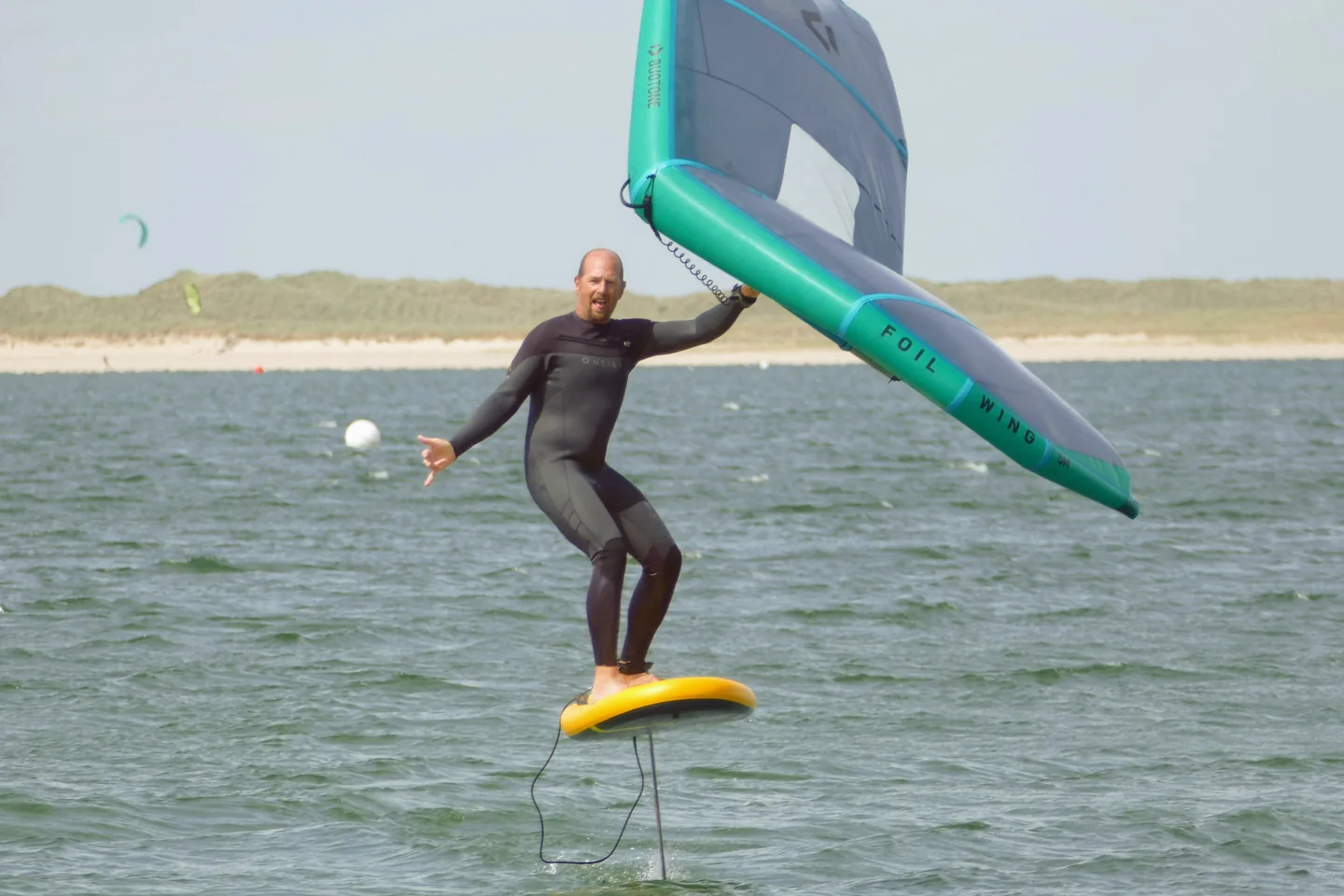
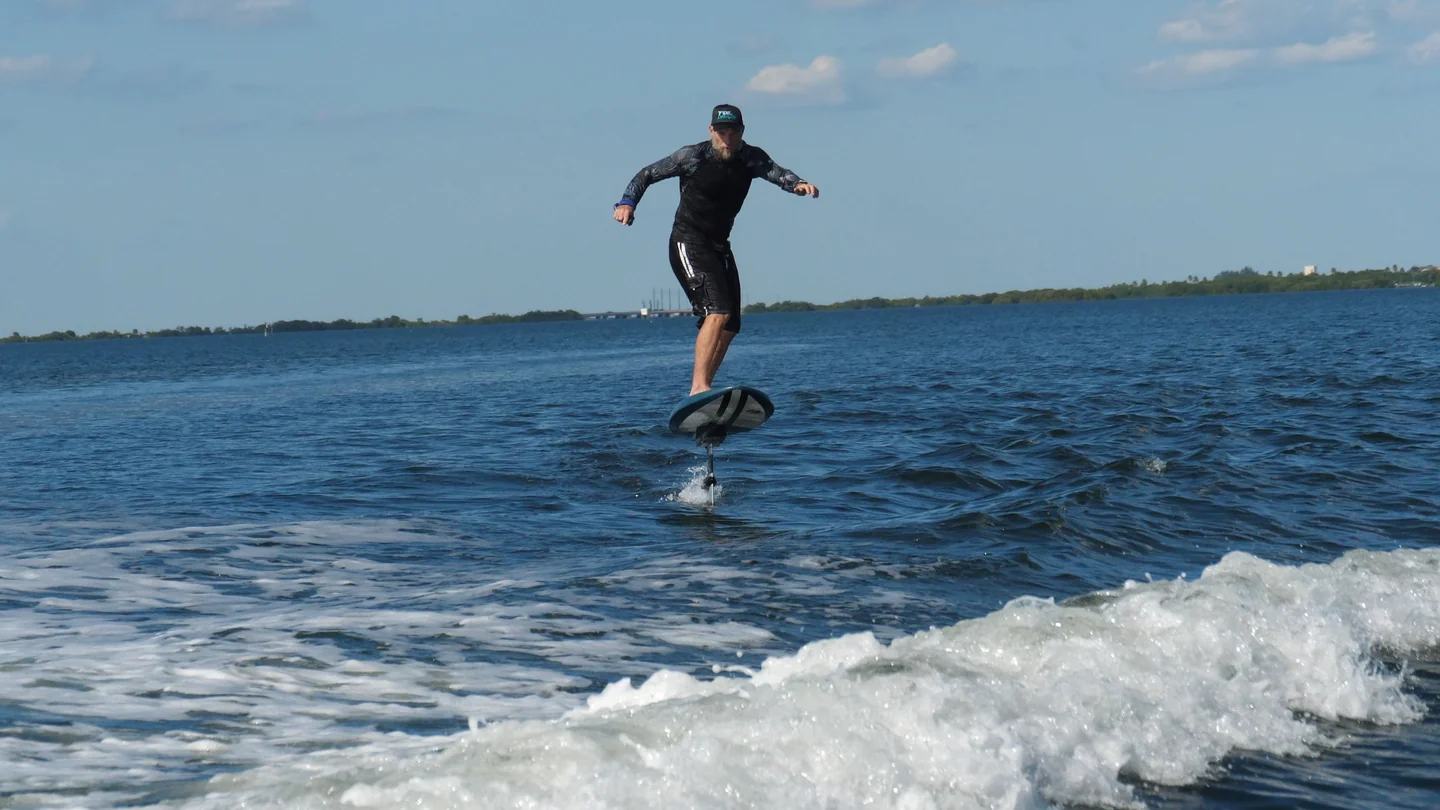
Pumpfoil keeps a foil board moving through coordinated changes in body position and loading. After an initial launch, the rider repeatedly loads and unloads the foil to sustain forward motion and lift. There is no motor and no wind-powered wing in the basic activity. Dockstart describes one way to begin: launching from a suitable pontoon into the glide. It is not a separate propulsion system. A boat-assisted introduction can help teach foil balance, but the later pumping phase is driven by the rider.
Learn launch and rhythm separately
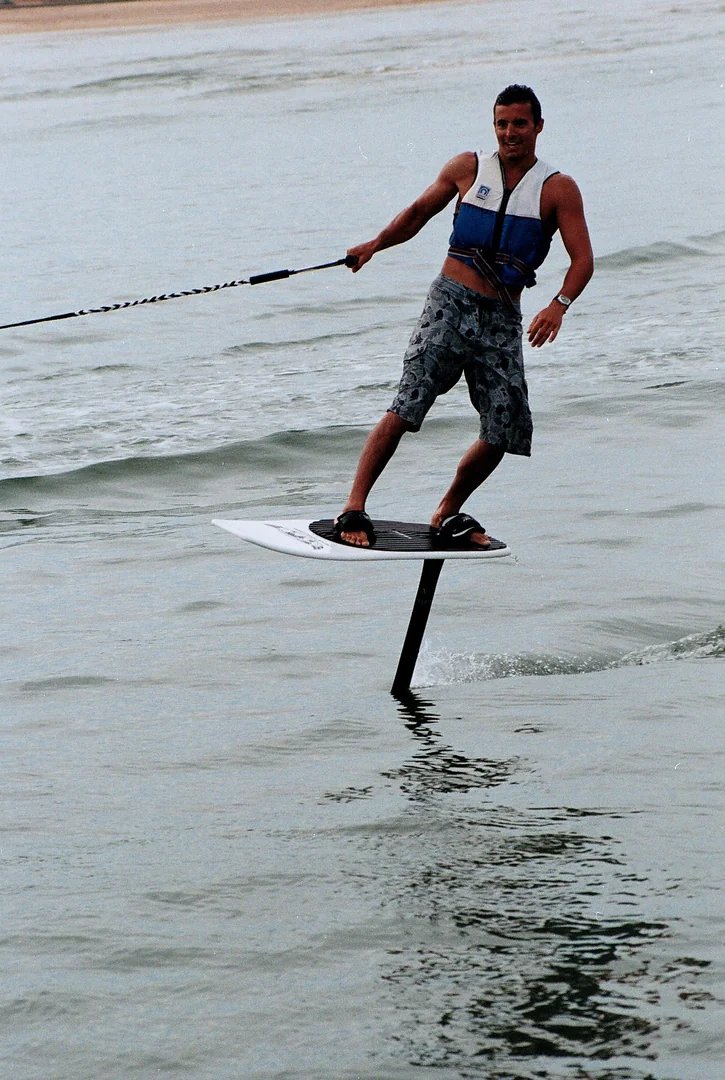
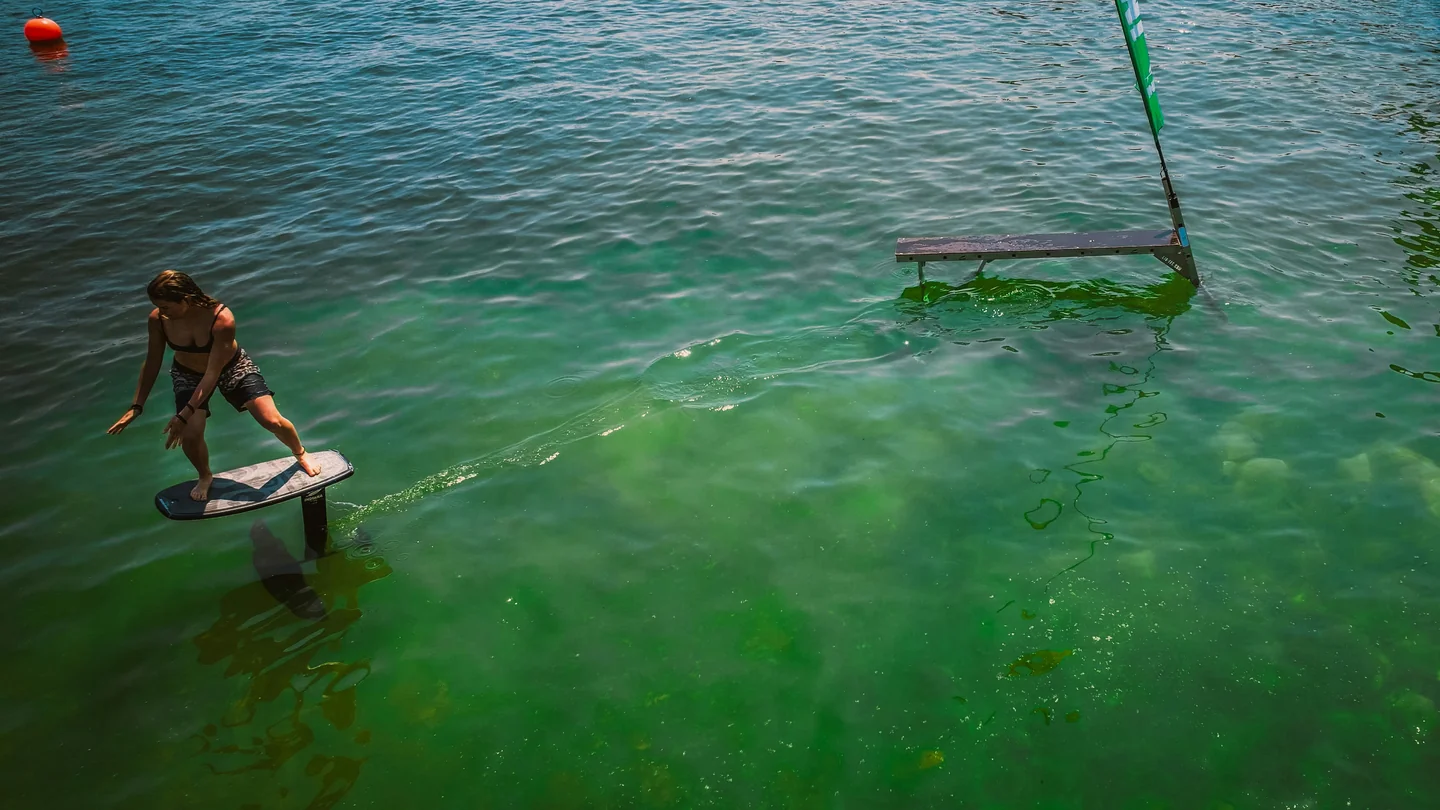
A first dockstart session usually contains many short attempts, recovery and feedback rather than one long flight. The instructor checks the launch, introduces the equipment and helps you coordinate stepping onto the board with an initial glide. Foil balance, dock departure and pumping rhythm are different tasks; learning them in stages makes the session easier to understand. Some programmes start behind a boat, while others begin at the dock. Ask which approach you are booking. Repeated practice matters, and a first lesson cannot guarantee a sustained circuit.
A suitable dock is part of the equipment
Calm water helps you recognise the board's response, but a dock is not automatically a legal or suitable launch. Depth, underwater obstacles, dock height, safe exit access and other users need assessment.
What to ask before hiring a setup
Ask for a board and foil chosen for learning pumpfoil, plus permission to use the agreed launch. A specialist foil on an unsuitable public pontoon is not a complete practice arrangement.
Schools with published pumpfoil instruction
MF Kite publishes pumpfoil tuition at Hyères, including a progression from towing to dockstart. Tiki Center advertises dockstart courses at Frontignan Plage, and Pumpfoilers.ch lists beginner instruction at Zurich's Tiefenbrunnen area. These examples show different teaching formats rather than identical products. Confirm seasonal access, water temperature, lake or coastal conditions and the current meeting point. Do not infer independent rental from the existence of a course.
Leave the launch clear and the water undisturbed
The basic ride needs no propulsion engine, yet repeated attempts concentrate activity around one small access point. Keep the landing and swimming exit clear and respect anyone sharing the dock.
Is pumpfoil possible without wind?
Yes. The rider supplies the energy after launch. Calm conditions can suit practice, but adequate depth, authorised access and an appropriate teaching area remain essential.
Does dockstart mean jumping from any jetty?
No. The launch must suit the equipment and local permission, with room to fall and recover. Let a qualified local operator assess the location before you attempt it.
Can I learn everything in one session?
A session can establish useful launch and balance habits, but sustained pumping often needs repeated attempts. Ask the school for realistic progress steps and options for supervised follow-up practice.
Check before booking
- Confirm authorised dock access and a clear swimming exit.
- Ask whether instruction starts at a dock or behind a boat.
- Choose a learning board and foil with the instructor.
- Clarify who retrieves equipment after each short attempt.
- Plan rest and feedback between launches rather than continuous flight.
Sources and references
Sources consulted on