Foil assist: lessons and rental with Foil Drive
Electric foil assistance can help a board gain speed and lift. Compare Foil Drive lessons and rental, with clear questions about setup, batteries and recovery.
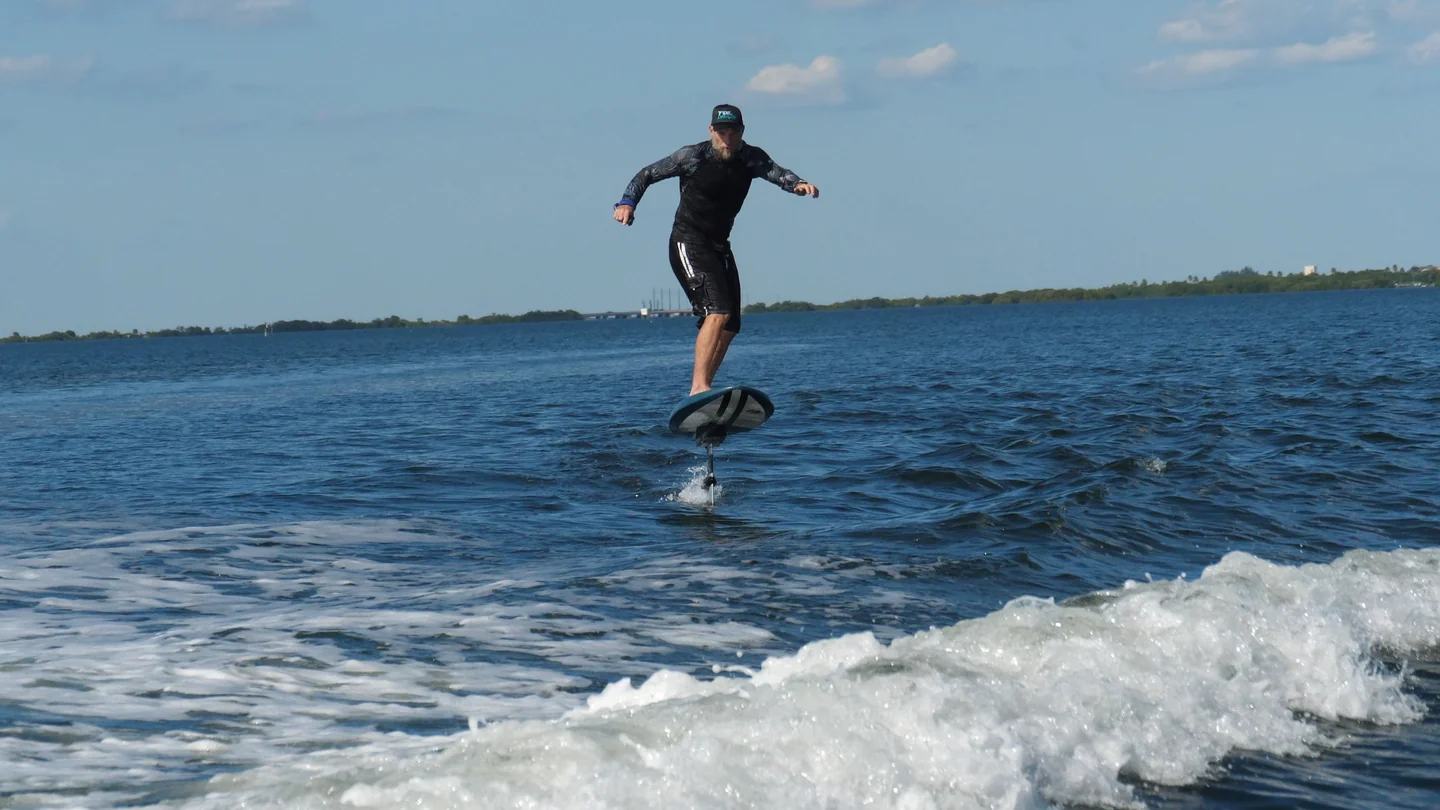
The phrase electric foil can hide very different equipment and learning goals. You may want to learn basic foil balance, add a short burst of power for takeoff, or experience continuous powered riding. A useful operator will explain which of these its setup and course provide. Start with the intended experience, then compare instruction, equipment compatibility and recovery arrangements. The battery's presence does not make every electric foil offer equivalent.
Assistance and a full efoil are different uses
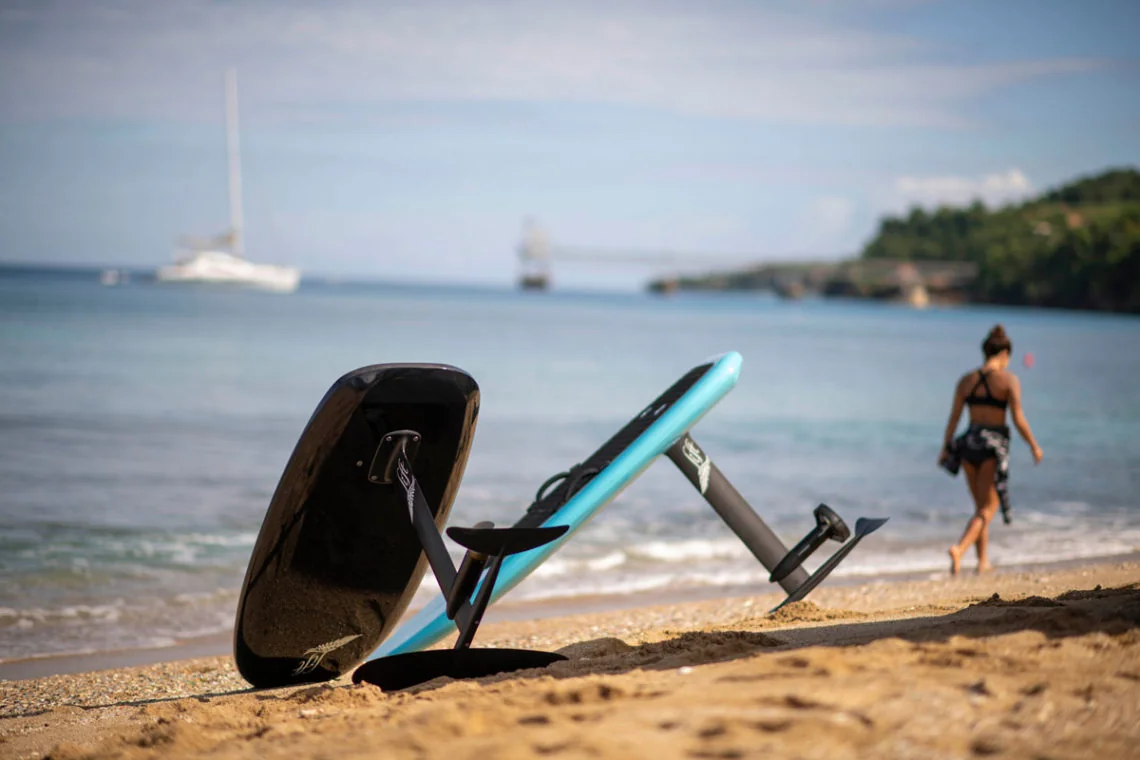
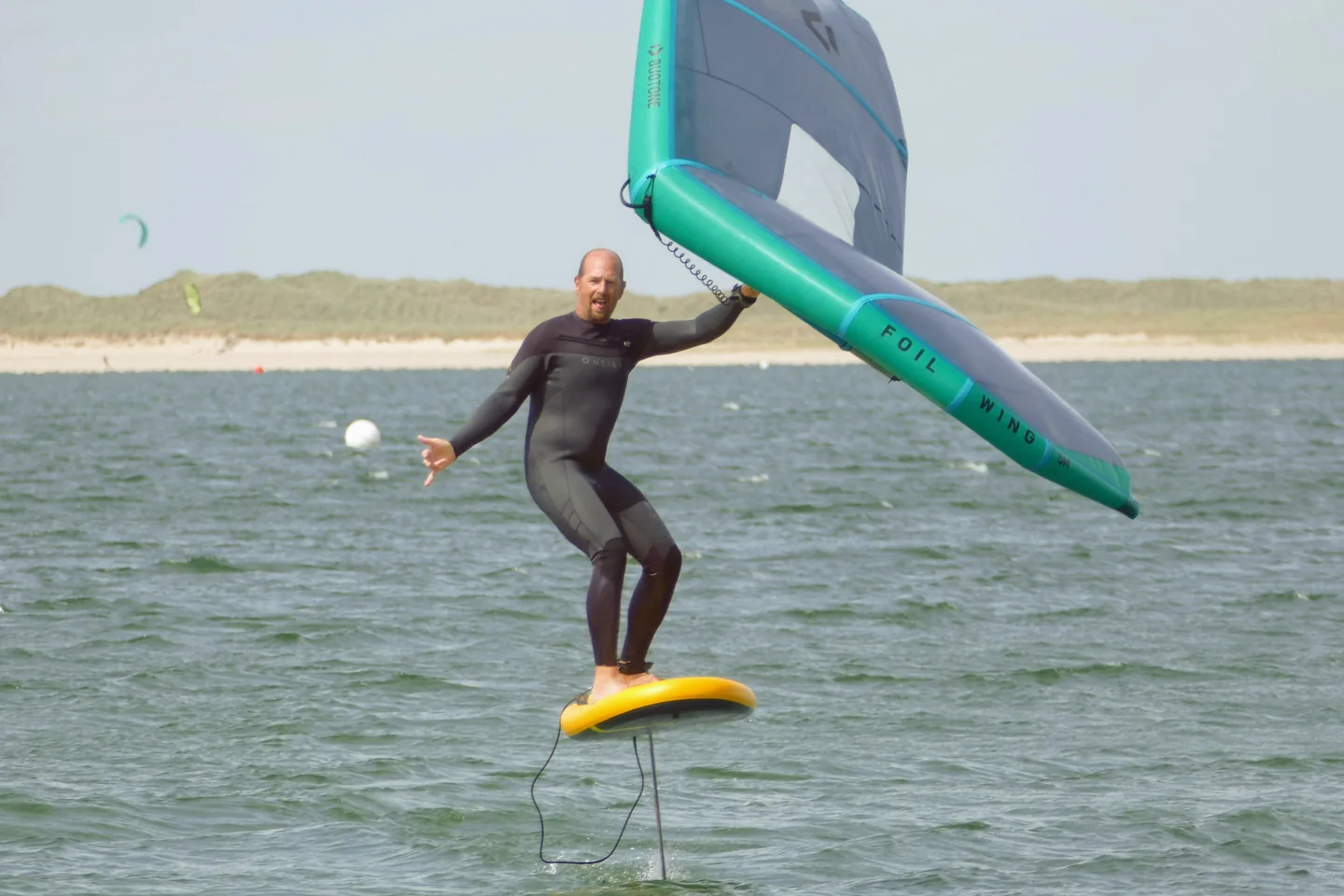
Foil assist adds an electric motor and battery to a foil setup to help generate speed, take off or regain momentum. Foil Drive is one manufacturer, not the name of every electric foil. In an assist-focused session, riders may reduce power after takeoff and continue using waves or pumping. A full efoil is usually intended for sustained powered flight. The boundary depends on the actual configuration: some assist systems can also provide an efoil-style experience. Ask about the model, motor position and intended riding mode rather than relying on a product label.
Start with control before chasing distance
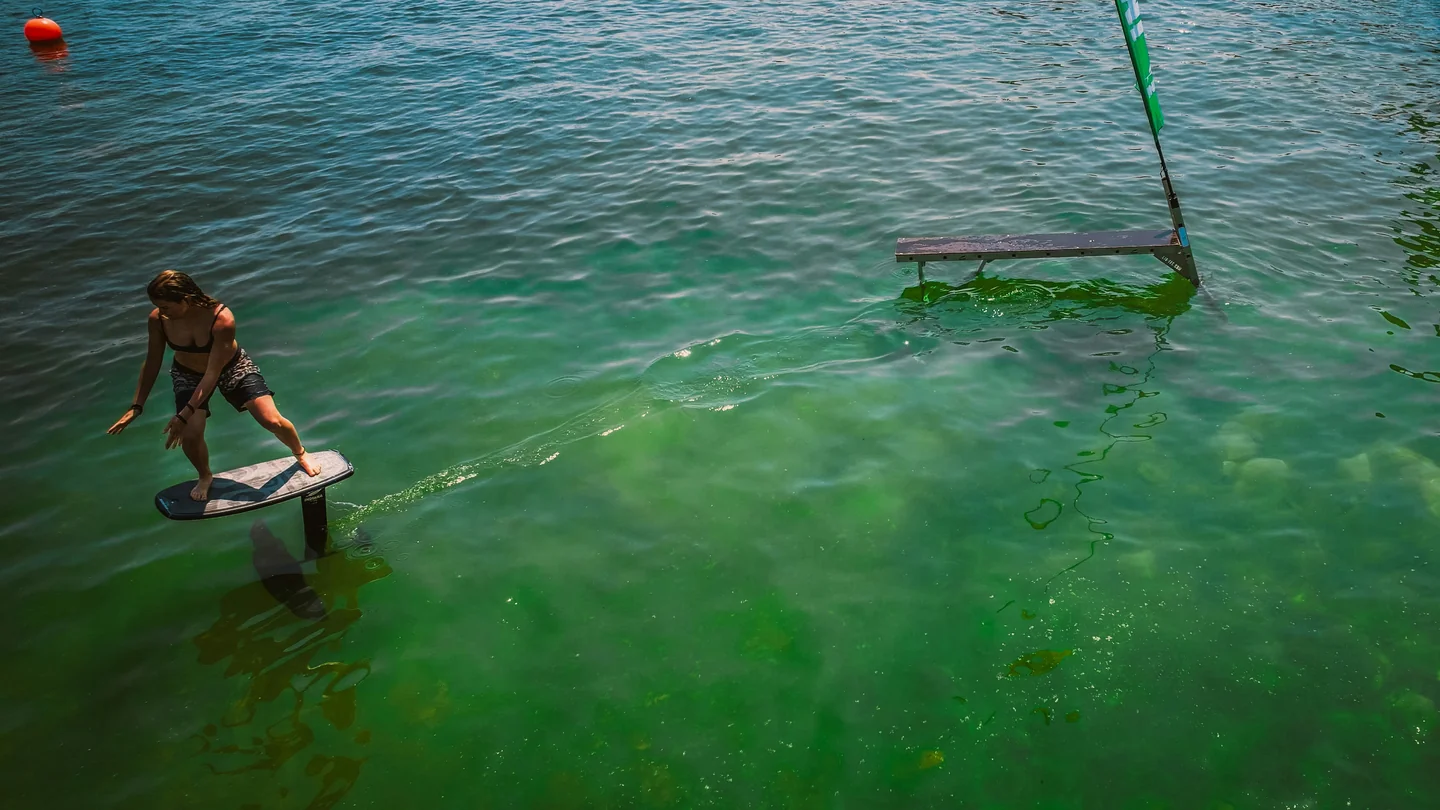
A useful introduction begins with the controller, the propulsion shut-off procedure and the equipment checks specified by the maker. The instructor then chooses a manageable way to practise acceleration, balance and controlled height. You should understand how to stop power before handling or retrieving the equipment. Prior foiling experience changes the lesson: one rider may need basic balance work, another may want assistance for wave entry or pumping. Explain your goal when booking. Extra propulsion does not remove the need for coaching, space or a clear recovery plan.
Match the setup to the water
Battery capacity is not a guaranteed session distance. Rider weight, setup, power use and conditions influence practical endurance. Depth, launching access, currents and local restrictions on motorised equipment also need checking.
Clarify the exact rental package
Ask whether the package is a complete ready-to-ride setup, an assist unit for your own compatible foil, or batteries only. These are materially different services, with different preparation needs.
Published operator examples
Punta Mita Ocean Sports advertises a Foil Drive experience and rental in Mexico. Be-Rad publishes Foil Drive and efoil lessons in the UK, while Pier Watersports Center lists assist lessons and rental at Lake Garda. Adrenalin Kite Area separately lists Foil Drive rental at Tarifa. Confirm the exact format, local access and dates with each centre; a warm destination or a long advertised season does not establish suitable conditions on your day.
Respect access and battery handling rules
Electric propulsion avoids exhaust at the board, but equipment manufacturing, charging and travel still have impacts. Follow the centre's battery handling instructions and leave maintenance or damaged equipment to its staff.
Is Foil Drive automatically the same as efoil?
No. It is a brand offering electric foil assistance, and the configuration determines what powered riding is possible. Ask whether the lesson focuses on assistance or continuous motor-powered flight.
Can I attach a rented unit to my own foil?
Only if the operator confirms compatibility, fitting and operating instructions for that setup. A rental listing alone does not establish that your mast, board and battery arrangement will work together.
Will the motor make me an independent foiler?
It can supply speed while you learn, but height control, stopping, recovery and local judgement remain separate skills. Independence should follow an operator's assessment rather than a fixed lesson count.
Check before booking
- Name your goal: basic balance, assisted takeoff or powered cruising.
- Confirm the exact system and whether complete equipment is supplied.
- Ask about battery availability and the practical session format.
- Learn propulsion shut-off and recovery procedures before entering the water.
- Check local permission for motorised equipment at the teaching spot.
Sources and references
Sources consulted on