Wakefoil: discover foiling behind a boat
A towed foil lesson lets you work on balance without managing a wing. Understand the difference from wakeboarding and what to confirm with the boat operator.
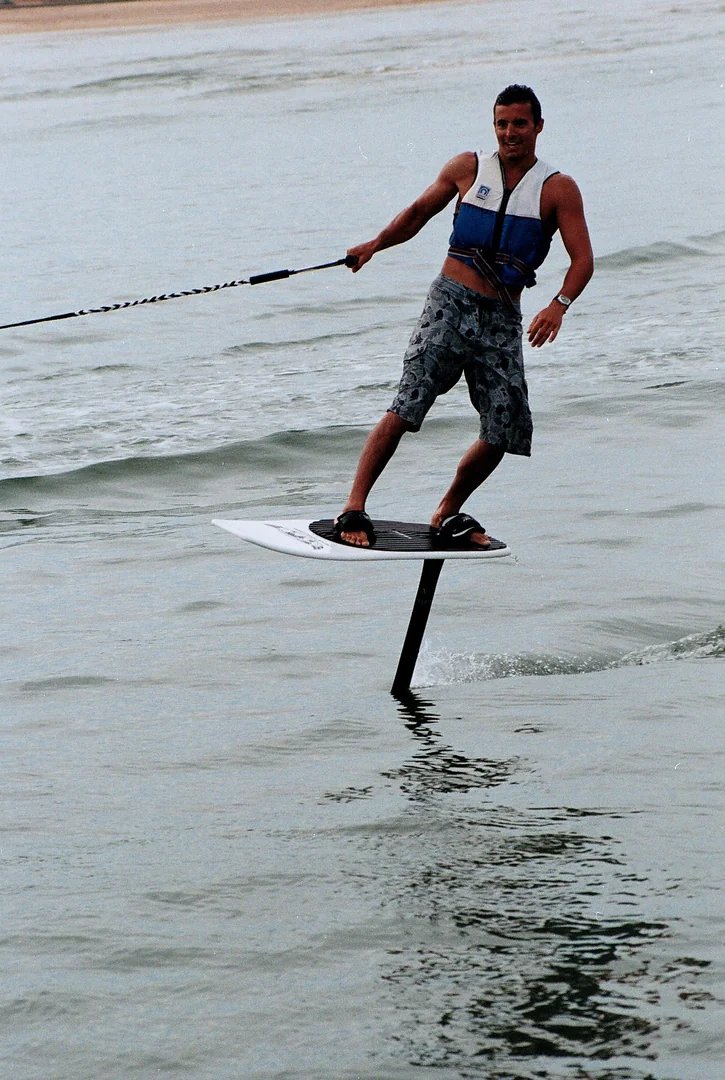
If you want to experience foil balance without simultaneously steering a wind-powered wing, a towed session is one option to discuss with a school. The important purchase is a teaching arrangement involving a boat, driver, instructor and suitable water, rather than simply a board. This guide helps you decode wakefoil offers, understand realistic first steps and identify the operational details that deserve confirmation before you reserve a place.
Towed foil is different from wakeboard
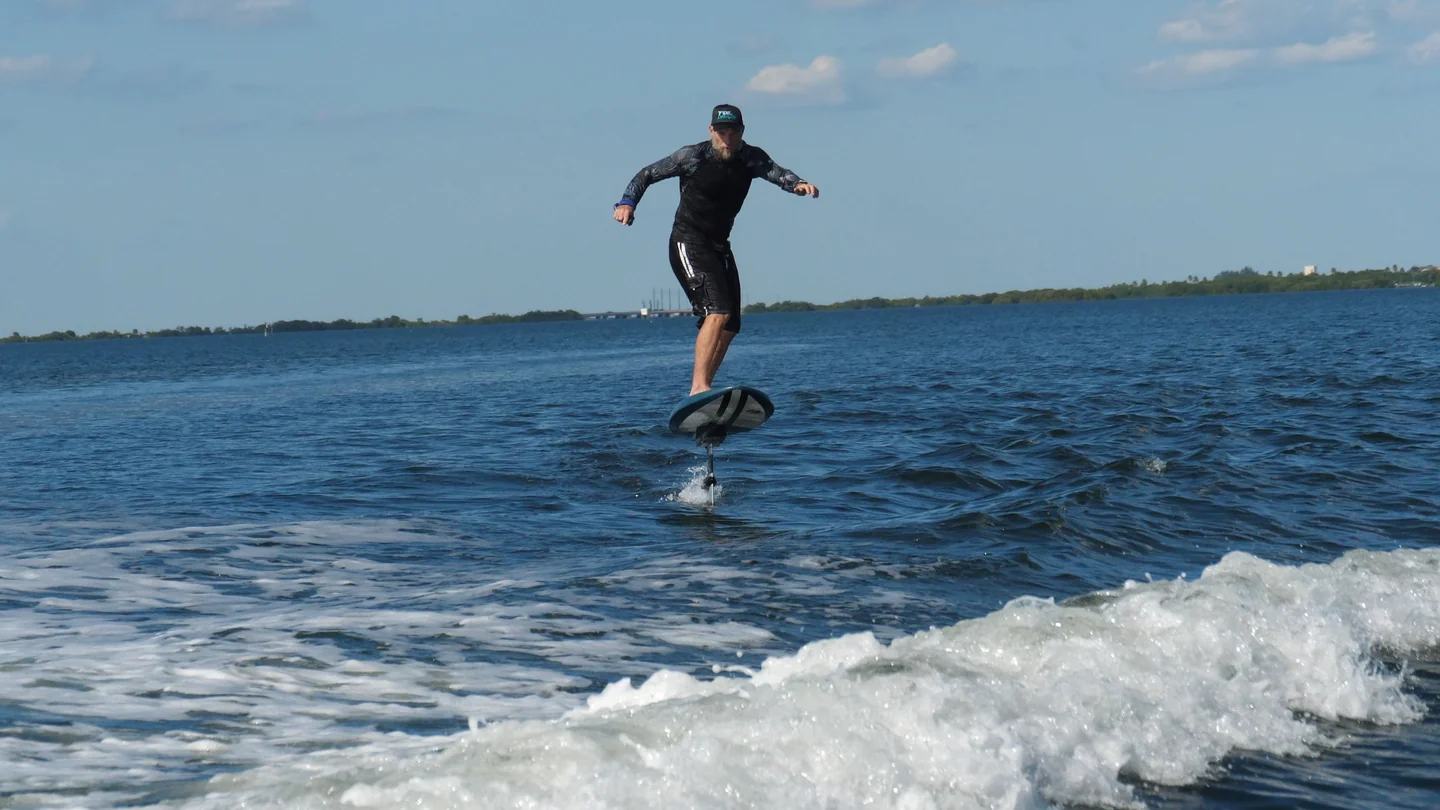
In a wakefoil or towed-foil session, a boat and tow rope initially supply the speed. A hydrofoil beneath the board creates lift, so the board can travel above the surface. A wakeboard instead planes on the water and uses its edges and the boat's wake. Experienced wakefoilers may release the rope and ride suitable boat-generated waves, but this is an additional skill. Ask whether the advertised activity means introductory rope towing, wake riding or a cable session; those formats are not interchangeable.
A practical first session
An instructor should explain the handle, starting position, boat signals and how to fall away from the equipment. The driver then adjusts the pull while you work on a stable stance and modest, controlled lift. This removes the need to steer a wing at the same time. Some operators use a training bar before a rope. A first session can involve repeated water starts and brief attempts. Ask for individual riding time rather than assuming that the advertised boat outing equals continuous practice for every passenger.
The boat and teaching area matter
No wind is needed for propulsion, but wind chop, visibility, boat traffic and permitted towing areas still limit a session. The foil requires adequate depth along the whole teaching route, not just beside the boarding point.
Book a coached session rather than just a board
A loose board rental does not provide a suitable towing service. Confirm who supplies and drives the boat, who watches the rider, and whether instruction and equipment are included.
Verified examples and seasonal questions
AIRXKITE advertises towed-foil instruction around Cannes and Saint-Raphaël and publishes a March-to-October operating period for this activity. GEES lists wakefoil at Lake Iseo, while Topkite offers it at Cap d'Agde with its own prerequisites. Verify current dates directly: lake navigation rules, coastal sea state and boat availability can interrupt an otherwise convenient holiday plan. Different schools may accept different starting experience.
Consider the wake and the shoreline
The boat creates noise, fuel use and a wake even when the foil feels smooth. Choose an operator that respects distance from banks, wildlife, moored craft and other water users.
Is wakefoil just another name for wakeboard?
No. A wakefoil uses a submerged foil to lift the board, whereas a wakeboard remains on the surface. Ask specifically for a hydrofoil lesson when contacting a school.
Must I already know how to foil?
That depends on the teaching format. Some centres offer introductory instruction; others require competent towed-board riding. Check the actual course prerequisites instead of relying on the activity name.
Will I let go of the rope straight away?
Do not assume so. Rope-free wake riding needs suitable boat setup and sufficient control. Stable starts, clear signals and controlled height are sensible earlier goals for an introductory session.
Check before booking
- Confirm that the offer uses a hydrofoil rather than a wakeboard.
- Ask about individual riding time and the number of participants.
- Identify the driver, rider observer and instructor before the session.
- Check whether the school requires previous towed-board experience.
- Agree boat signals, permitted teaching area and weather cancellation arrangements.
Sources and references
Sources consulted on