A family half-day: choosing kayaking, SUP or a pedalo
Three activities, one time slot: compare everyone’s participation, actual time at the venue and return arrangements before choosing your family outing.
You have a morning or afternoon available. The right choice depends as much on what everyone wants to do as on the craft: paddle together, try a new kind of balance or move by pedalling. Here is a method for building a half-day with room for check-in, clothing changes and different interests.
Start with each participant’s role
Before looking for a boat photograph, note who wants an active role and who mainly wants scenery. A child passenger, a teenager keen to learn and an adult apprehensive about water have different plans. Also ask who accepts temporary group separation and who prefers staying with a familiar adult.
Tell the professional children’s ages, water confidence and particular needs. Group size alone cannot determine boat numbers. Permitted seats, adult roles and participation conditions depend on model, location and format. A large hull or family photograph proves no admission entitlement.
Compare what everyone will actually do
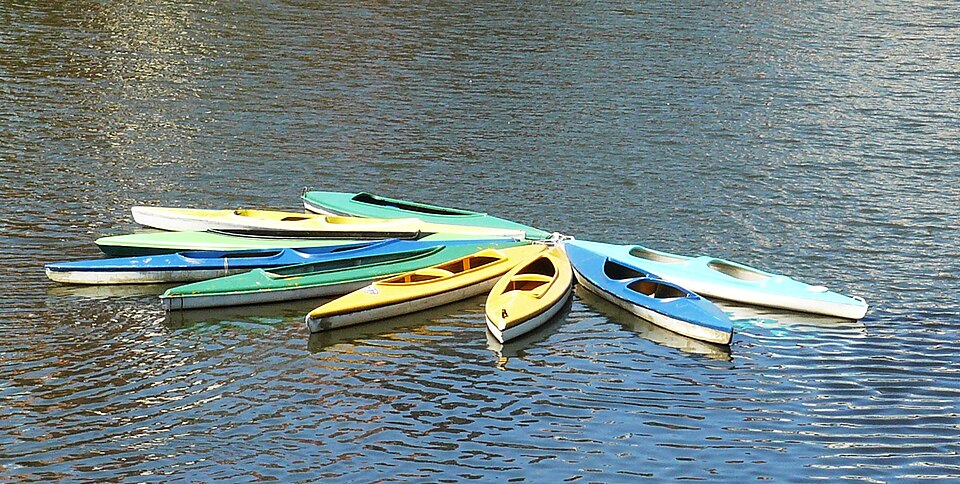
In a kayak, participants seated for paddling can learn to coordinate movements and steer together. Ask who will actually paddle in the proposed model. A passenger seat does not become a steering position, and an adult aboard does not replace the stated support.
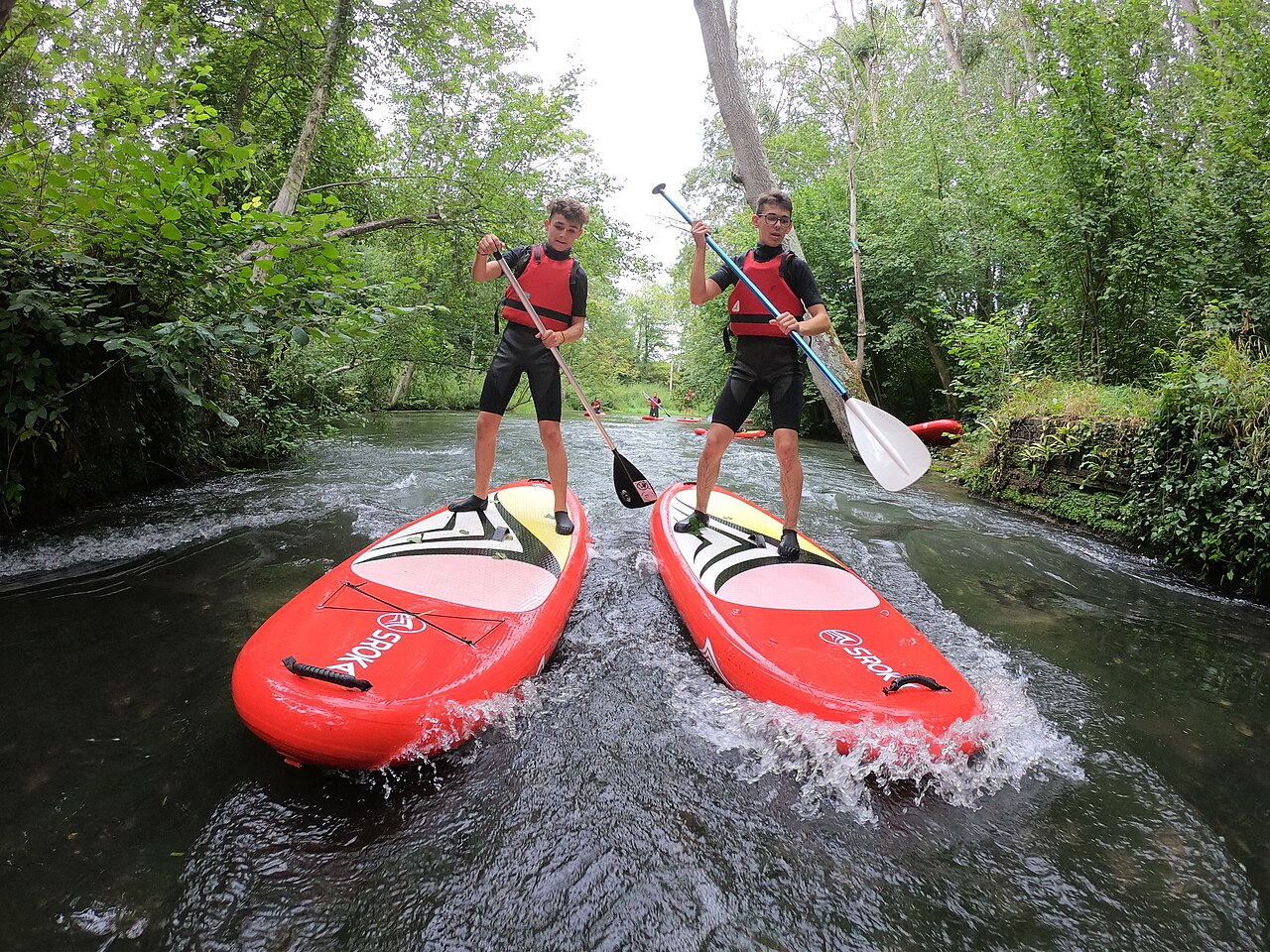
Stand-up paddleboarding also involves learning balance, positioning and reboarding. The RNLI recommends a learning session to develop these movements and understanding of the environment. Do not assume a board suits several people: have model and intended use confirmed.
A pedalo moves through a pedal mechanism, but not every seat necessarily contributes to propulsion. Check pedalling positions, seat access and controls. Choose it for the desired experience without inferring an absence of risk or suitability for all conditions.
Build a time slot with a visible allowance
Here is a fictional example for a three-hour slot: 30 minutes outward travel, 20 minutes check-in and equipment, 15 minutes briefing, 50 minutes on water, 25 minutes landing and changing, then 40 minutes for the return and a break. The total is 180 minutes. This schedule illustrates a calculation rather than an actual service duration.
Replace every item with your booking information. If the professional includes a shuttle, approach walk or longer briefing, reduce another activity rather than removing the allowance. Also set when the entire family must have retrieved belongings, rather than only when the boat touches shore.
Compare three arrangements for the same family
Take a fictional example: two adults and two children want to fill the same slot. They compare three arrangements, subject to participation conditions and professional-approved configurations. The aim is choosing who does what with whom rather than multiplying activities.
In every case, check toilets, belongings storage and changing. If an arrangement excludes someone or exceeds the slot, simplify. These choices announce neither available equipment nor general admission for children.
- Everyone wants to paddle: consider two tandem kayaks, with one adult and one child in each if that arrangement is permitted. Have paddling positions and shared learning time confirmed.
- One person wants to try SUP: consider consecutive sessions while the other adult stays ashore with the children at an agreed place. Organise handover, waiting and necessary bookings; do not rely on supervision from another craft.
- The group mainly wants to share the scenery: consider a pedalo of sufficient capacity with pedalling positions participants can use. Check seat access and everyone’s role before choosing it.
Check the outing day rather than season alone
The RNLI advises checking forecasts and environmental conditions before setting off and being prepared to change or cancel plans. For SUP, it highlights how offshore wind can quickly carry a board away despite apparently calm water. These recommendations set no weather threshold valid for every family.
Have personal equipment fitted to every participant and expected clothing confirmed. Keep an enjoyable land alternative if the session is postponed. A visit ticket or picnic can complement the stay; neither should pressure you to maintain an outing judged unsuitable.
Send an enquiry enabling a useful answer
You could write: ‘We are two adults and two children, available from 9am to 12noon. We want to stay together and are considering kayaking or a pedalo. Here are everyone’s ages and experience. Which configuration, total time on site and postponement conditions do you propose?’ This is an example to adapt, with no presumed offer or availability.
On Crazy Blue, browse places and actually listed offers, then send your enquiry. Booking depends on professional confirmation; payment is directly on site. Keep the answer with exact location, time, equipment and accepted conditions.
Check before booking
- Describe each participant’s role and experience.
- Have the model, places and children’s conditions confirmed.
- Add travel, check-in, briefing, paddling, changing and return.
- Plan a weather decision and postponement solution.
Sources and references
Sources consulted on