
Kayak or paddleboard: choosing your first outing around your interests
Position, learning and trip format: useful questions for choosing between kayaking and stand-up paddleboarding without confusing equipment with route difficulty.
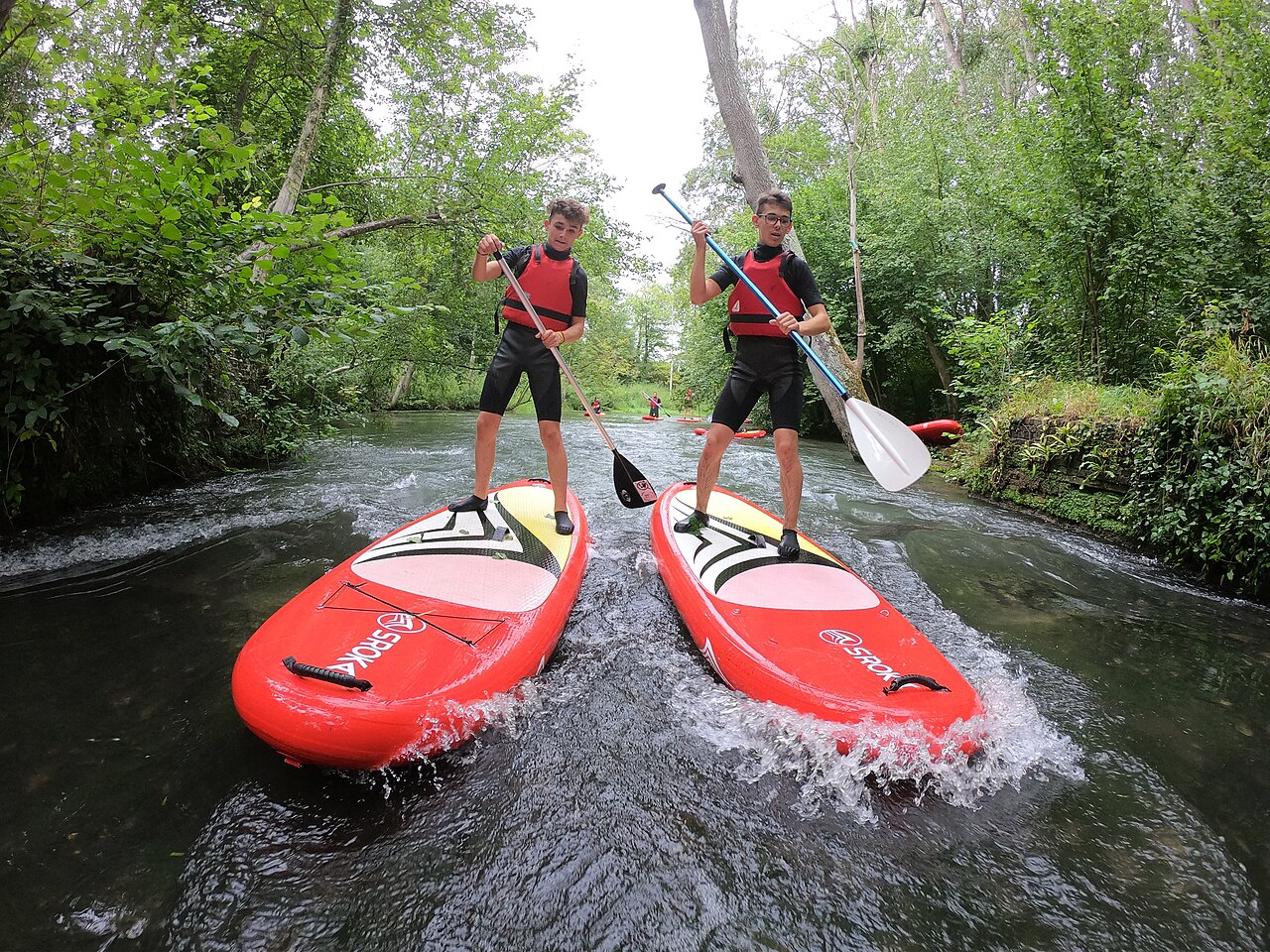
For your first outing, start with what you want to experience: learning a skill, exploring somewhere or spending time together. Then compare the equipment, route and support provided. The activity name alone cannot tell you whether an offer suits you.
Compare experiences, not just two types of craft
In a kayak, you paddle sitting down with a double-bladed paddle. Stand-up paddleboarding uses a board and a single-bladed paddle; an introduction may begin on your knees before moving to standing. These differences shape the experience: travelling seated in one case, discovering balance and positioning on the board in the other.
Avoid shortcuts such as “kayaking is always easy” or “paddleboarding works everywhere”. Ask which model you will use, where you will paddle and how the provider organises a first session. The same activity name may describe an introduction close to the launch point or a very different touring trip.
Do you want to learn or mainly explore the scenery?
If learning is your priority, look for a session with stated objectives: handling the paddle, steering, stopping and what to do if difficulties arise. If exploration comes first, ask which places are actually accessible in the proposed format and whether a guide accompanies the group.
Hire, introductory lessons and guided trips are not interchangeable. REI distinguishes these ways of starting kayaking; the distinction helps you read an offer without assuming what a European provider includes.
On your own, as a pair or with children: check the arrangement
As a couple or family, ask exactly how people are allocated to the craft: single, tandem or another arrangement proposed by the club. Do not assume an extra person can join a board or kayak. The provider must confirm a suitable arrangement for the participants and available equipment.
Describe each person’s experience rather than saying “we are sporty”. A first attempt, anxiety around water or a previous supervised session provides more precise information for choosing.
The environment and conditions matter too
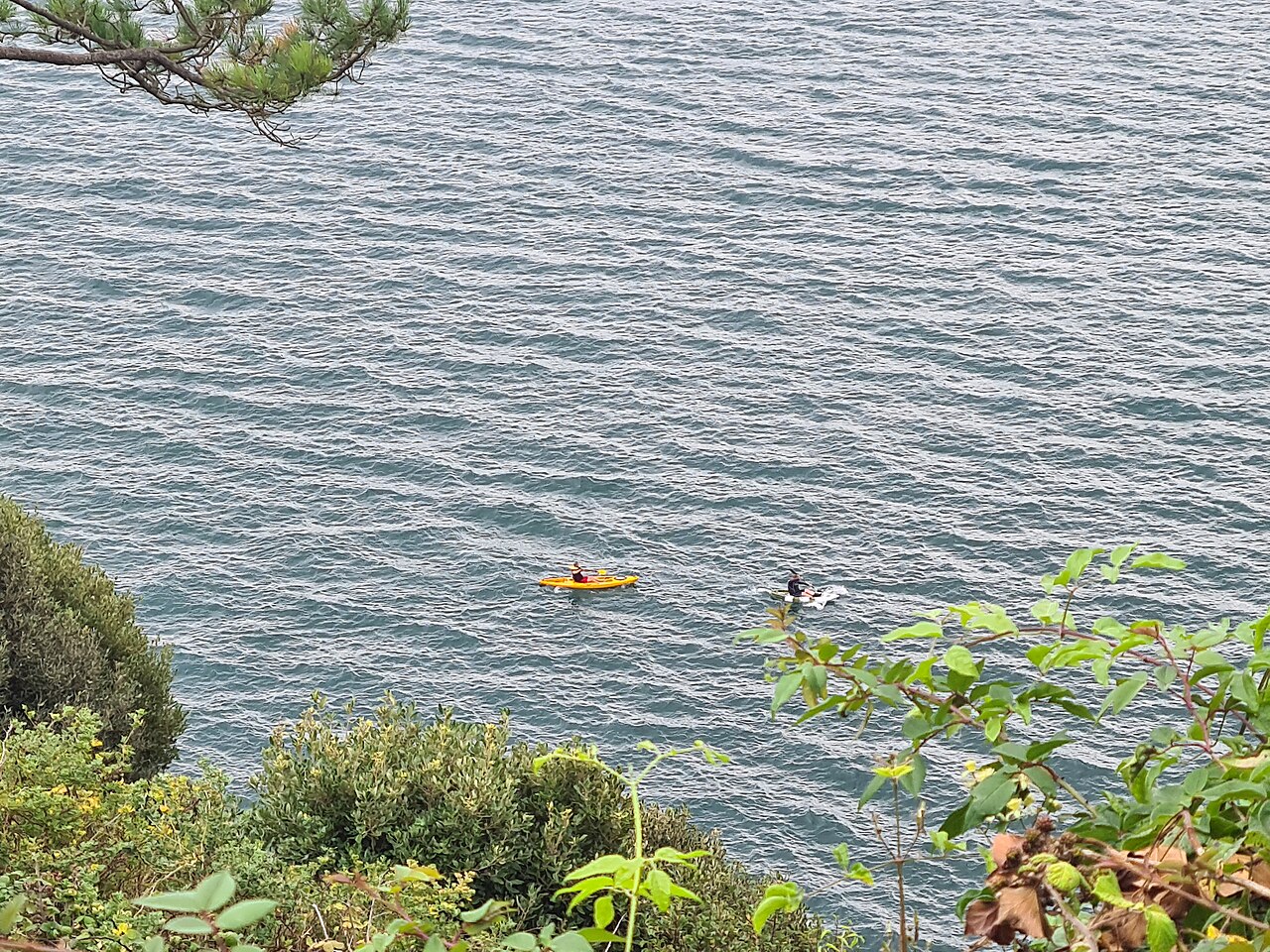
The RNLI explains that, when paddleboarding, wind blowing from shore out towards open water can quickly carry you away, even when the surface looks calm. Your choice should not therefore rely on a photograph or the word “lake”. Ask the club whether the area and that day’s conditions suit your first outing.
To compare two offers, send the same enquiry: your group, experience, objective and available time. Answers about the route, supervision and organisation are more useful than comparing price alone.
Check before booking
- My objective: learn, explore or enjoy an outing together.
- The craft model and allocation of participants are confirmed.
- The format — hire, introductory lesson or guided outing — is explicit.
- The provider confirms that the area suits the participants and conditions.
Sources and references
Sources consulted on

,_Poland.jpg)
