Electric SUP: choose your first assisted paddle
Discover how an electric SUP adds assistance to paddling, what to practise before leaving shore, and which battery, route and rental details deserve a closer look.
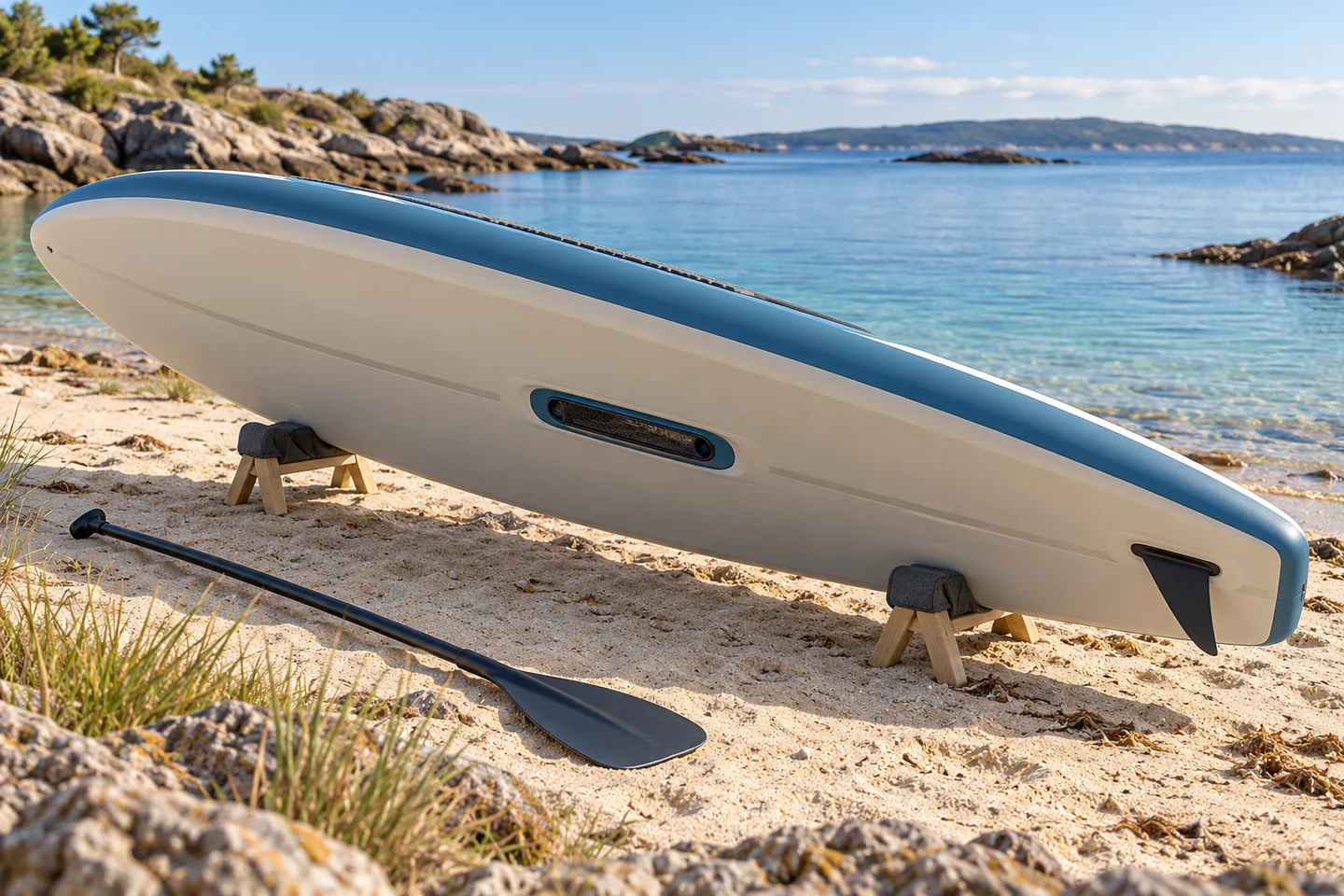
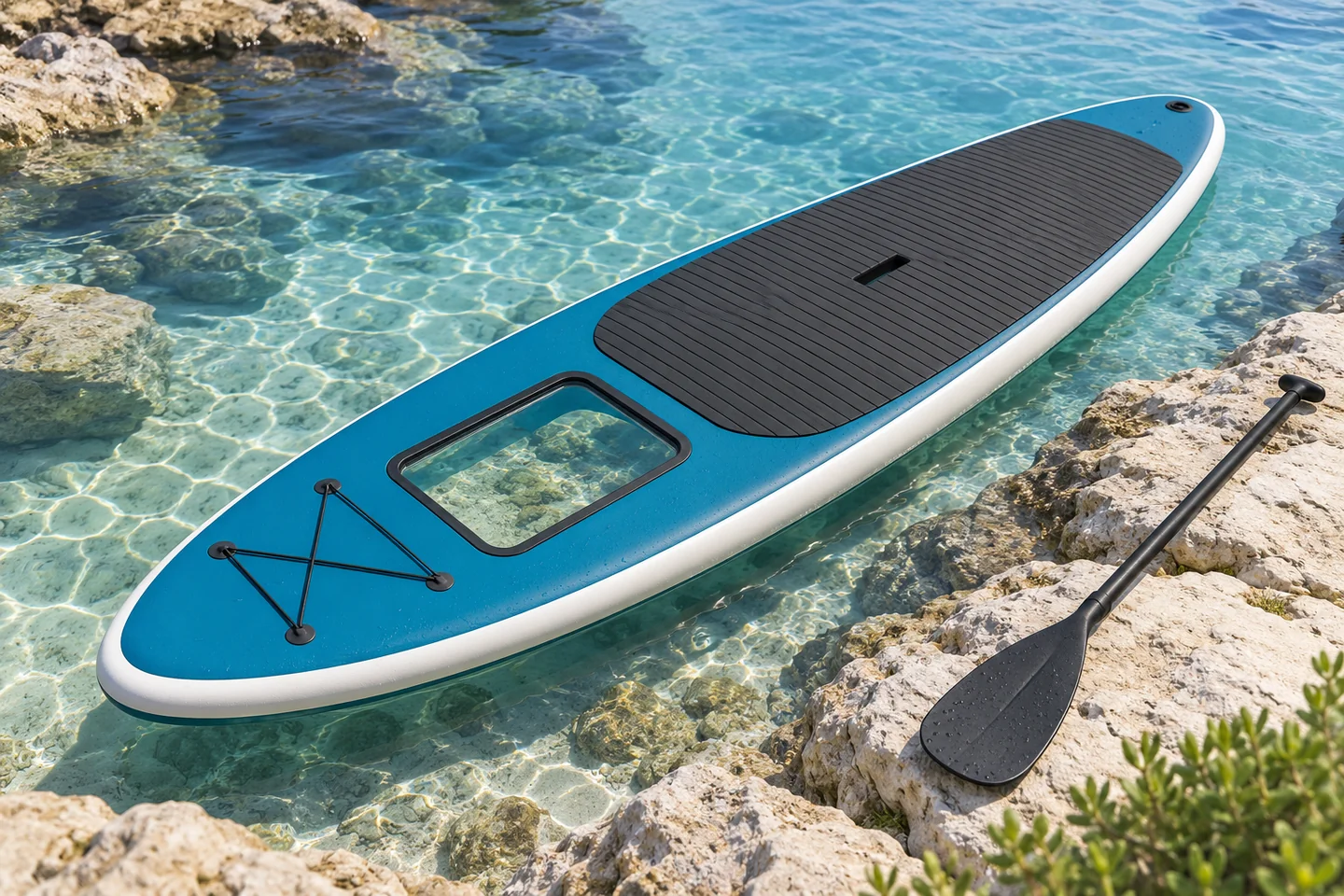
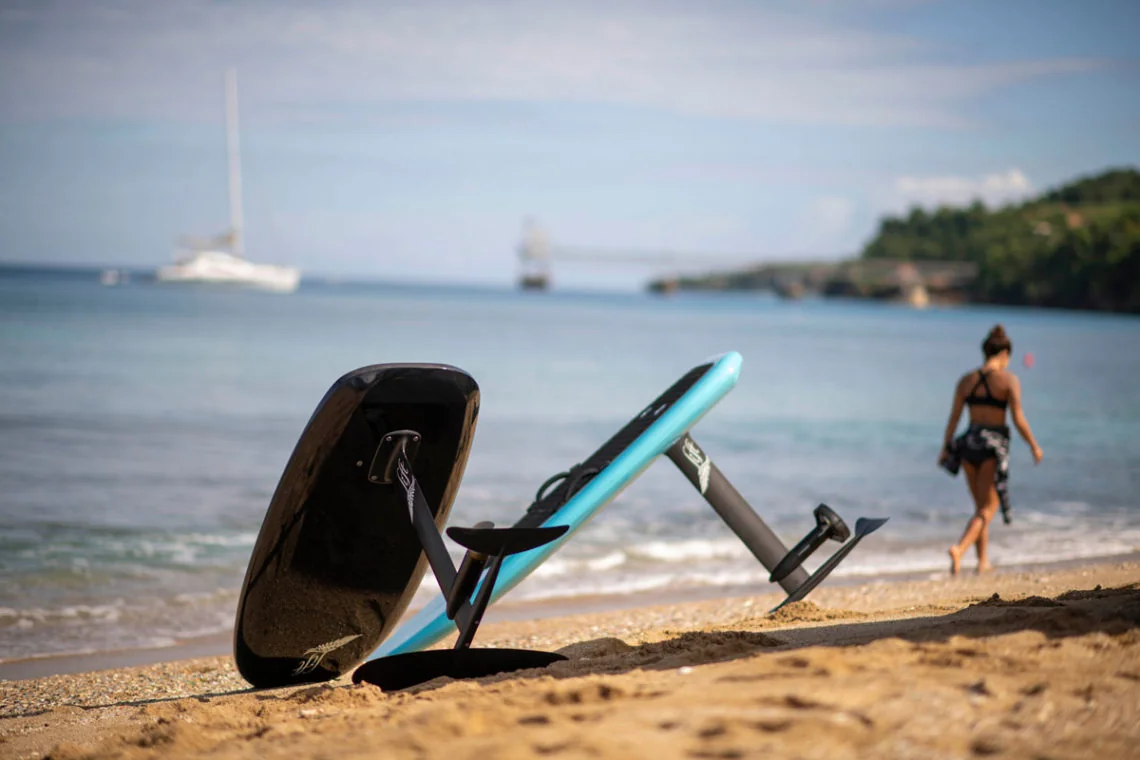
An electric SUP keeps the familiar outline of a stand up paddleboard, while a battery powers a motor that helps it move through the water. On SipaBoards, the assistance comes from an integrated water jet. You still use your paddle to steer and manage your position. The board remains on the surface: there is no submerged wing lifting you into flight. If you want an efoil lesson, check the equipment name carefully before booking.
A paddleboard with assistance
Assistance changes the rhythm of a trip. You can alternate active paddling with supported sections, but you still need balance, awareness of other users and a realistic route. A motor is an aid, not a substitute for learning to turn, return to the launch and get back on the board after a fall.
Learn the controls close to shore
For a first rental, choose a sheltered area approved by the operator and ask for a demonstration on the actual board. Locate the assistance control, practise starting at the lowest setting, and learn how to stop the motor promptly. Confirm what happens if you fall and how the safety system is reset. Different boards can use different controls; a remembered video is not enough.
Begin with a short loop near the base. Practise turning both ways, changing between kneeling and standing when appropriate, and paddling with assistance switched off. Ask the instructor to watch your return before extending the route. This gives you a useful impression of the board without committing to an exposed crossing or depending on the battery to bring you home.
Match the outing to the group
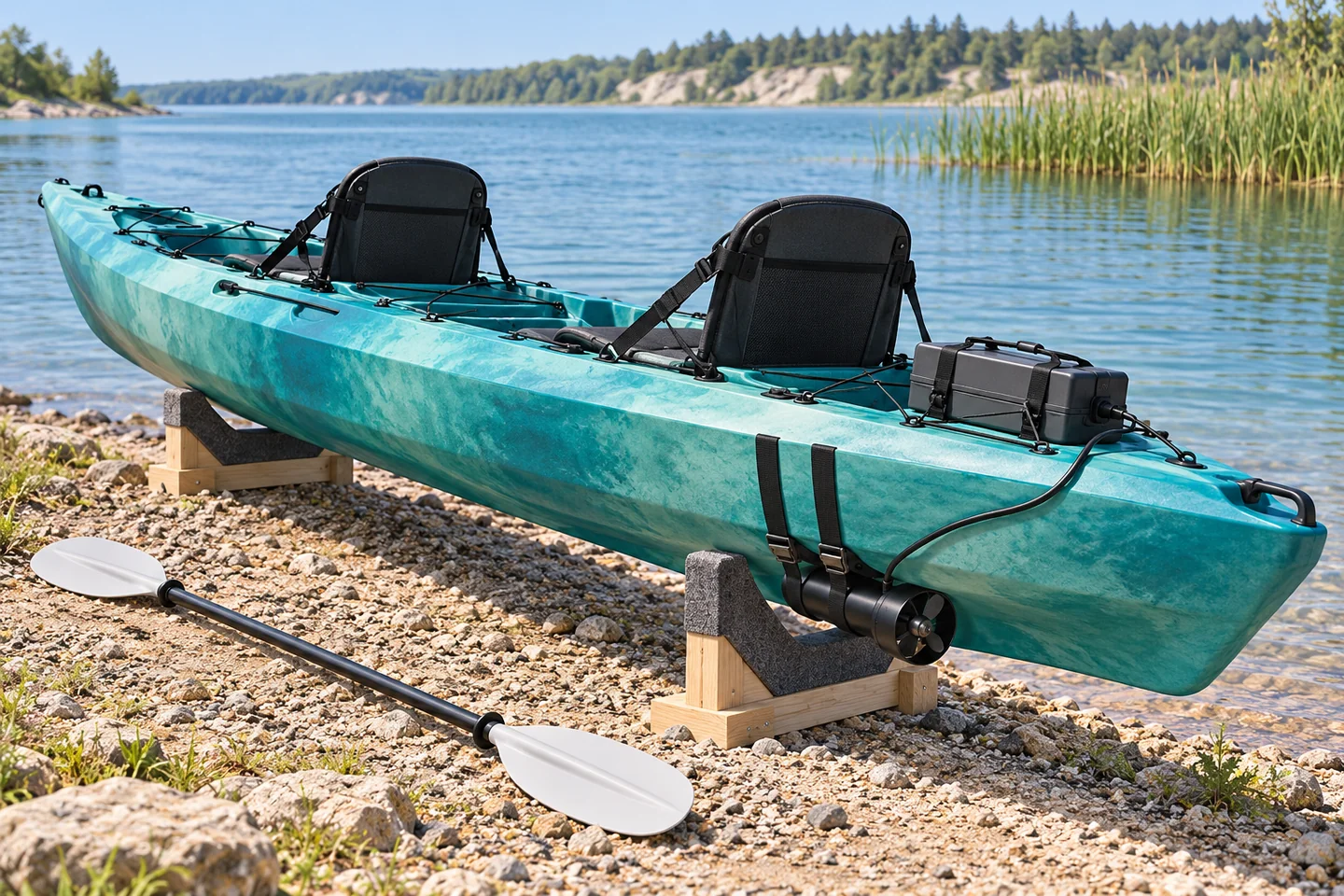
The right choice depends on the session you want. Someone who enjoys ordinary SUP but wants occasional support may value assistance. Someone who prefers seated travel may find a kayak more comfortable. A standing water scooter adds a handlebar and a different steering experience. Compare posture, boarding and the operator's permitted navigation area before comparing headline speed.
Battery endurance varies with the equipment, assistance setting, load and conditions. Ask what usable duration the operator allows for your booking and what reserve must remain for the return. Wind and currents can change how demanding that return becomes. Keep the route within your independent abilities and accept a shorter outing when the conditions call for it.
A researched example on Krk
A SipaBoards report from April 2025 describes Sea Rabbit in Omišalj, on Croatia's island of Krk, using eight boards. It is a concrete example of assisted SUP in a coastal activity setting. It does not confirm today's fleet, departure timetable or availability. Contact the operator for current arrangements, the route and the language of the briefing.
Treat any destination listing as a starting point. Seasonal opening, water access, weather cancellations and the exact model may change. Ask whether the booking is independent rental or a guided excursion, whether equipment fitting is included, and what happens if the planned water area is unsuitable on the day. Those answers matter more than a photograph of calm water.
Before you leave the base
Have the operator explain the route boundary, communication procedure, flotation equipment and model-specific leash arrangements. Check how to recognise the launch from the water and where you may land if the planned return becomes difficult. Keep belongings secured without obstructing the paddle or controls. Leave sensitive shorelines and wildlife space, and avoid repeatedly circling swimmers for photographs. Electric assistance does not make every stretch of water appropriate for motorised equipment.
Is electric SUP the same as efoil?
No. Assisted SUP travels on the water's surface; an efoil uses a submerged wing to lift the board. Book the lesson that matches the equipment you want.
Do I still need the paddle?
Yes. On an assisted SUP it remains part of steering and propulsion. Ask to practise with the motor off before leaving the base.
How long will the battery last?
There is no universal rental duration. Ask the operator about the actual board, conditions, permitted route and return reserve for your session.
Check before booking
- Locate the assistance control.
- Practise paddling with the motor off.
- Agree a turnaround and battery reserve.
- Identify the launch from the water.
Sources and references
Sources consulted on