Jetboard rental: electric surfing at the surface
A jetboard uses electric propulsion while riding at the water’s surface. Compare it with an efoil, prepare for your lesson and check rental terms before choosing a session.
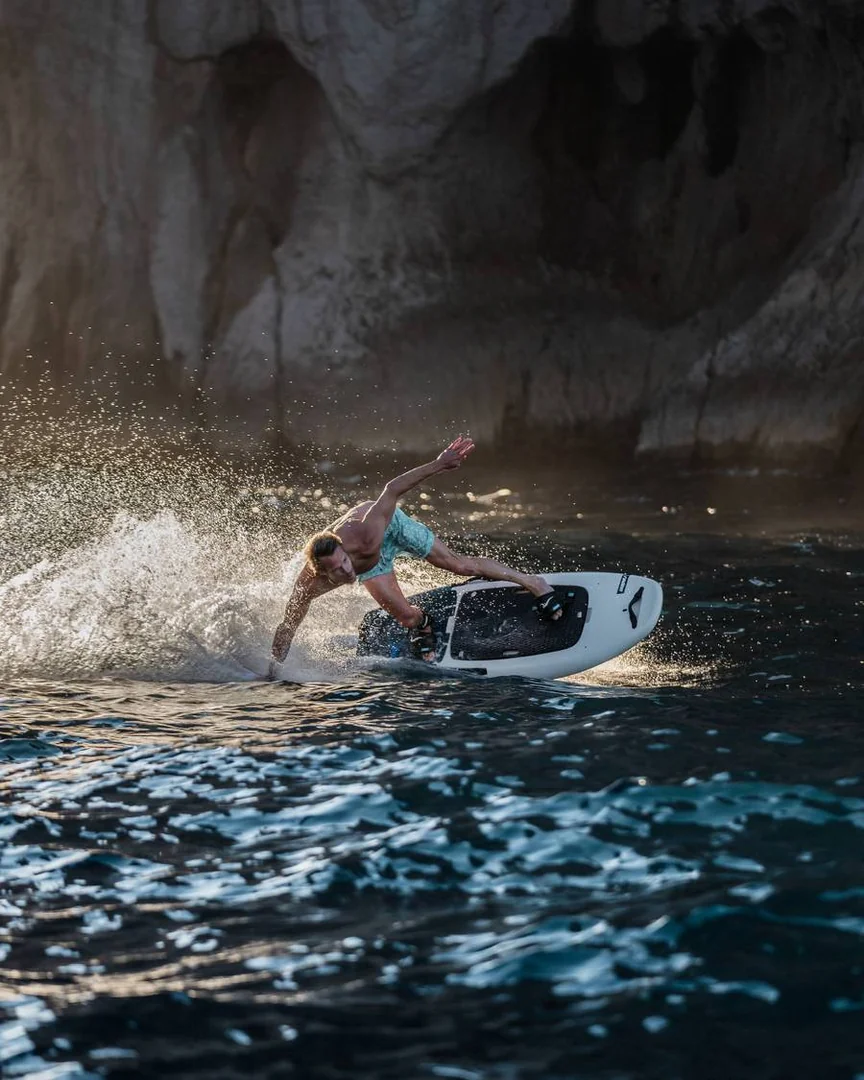
A jetboard is a motorised surfboard that rides at the water’s surface. Here the term means battery-electric boards such as Awake RÄVIK models and certain Radinn boards. A controller adjusts propulsion while body position helps shape the turn. The motor means you do not have to wait for a wave, but you still need a permitted riding area and conditions suitable for the equipment and your level. A flat-looking bay is not automatically an authorised place to ride.
Know the equipment before you book
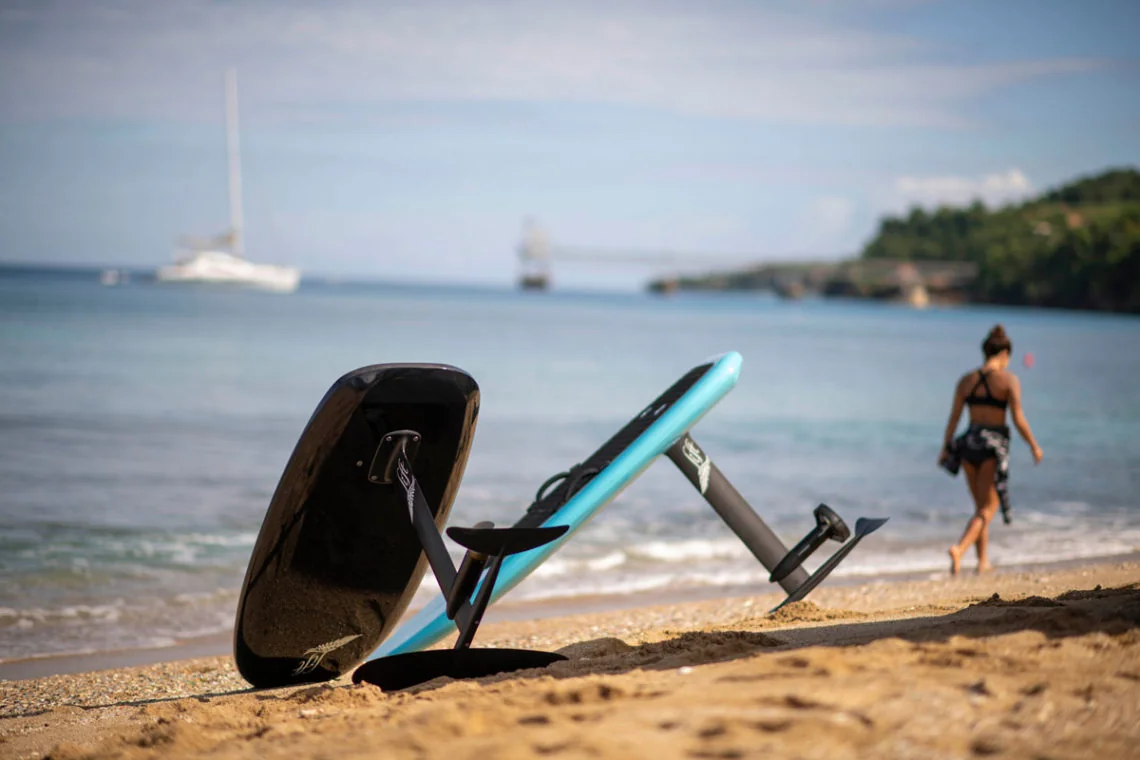
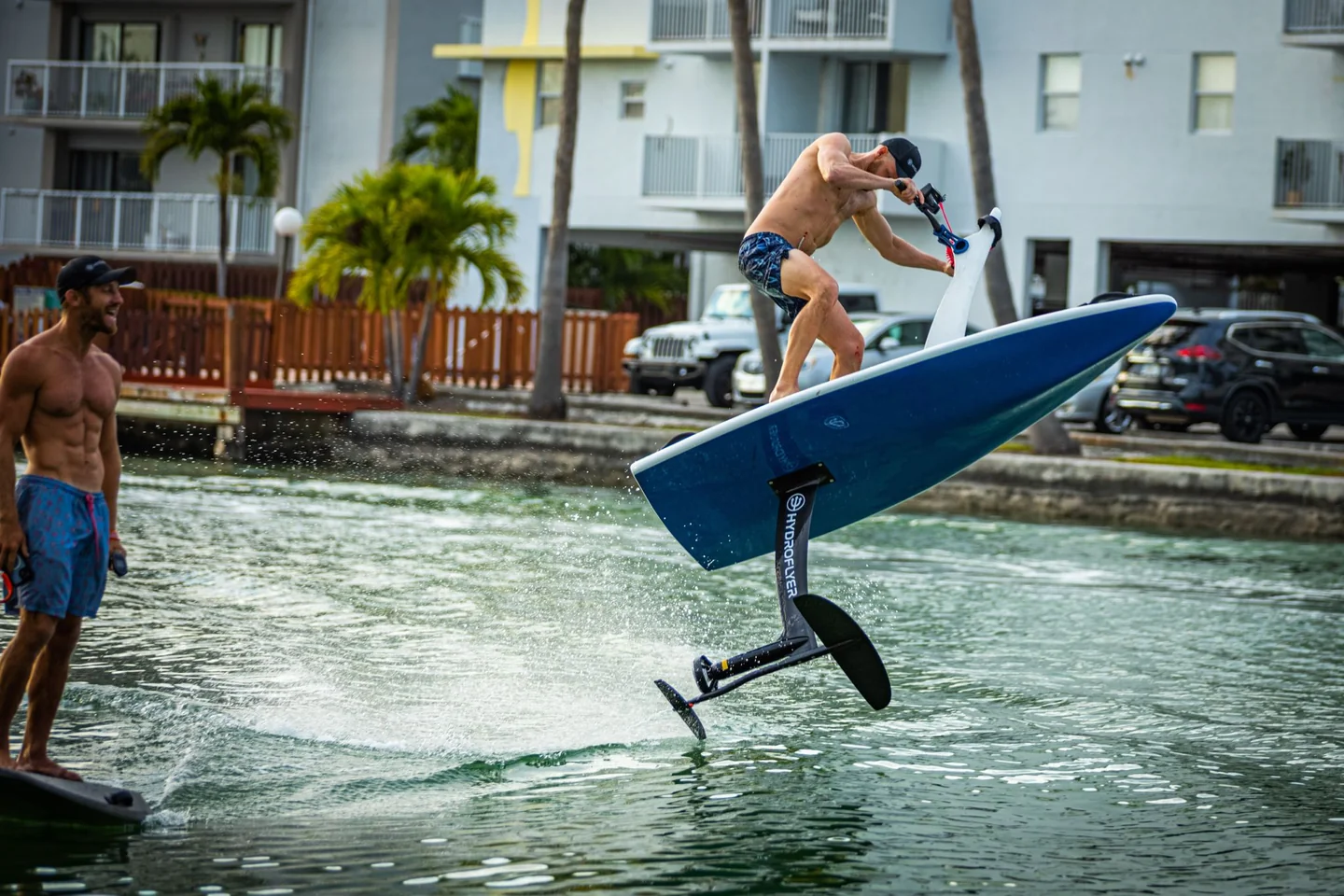
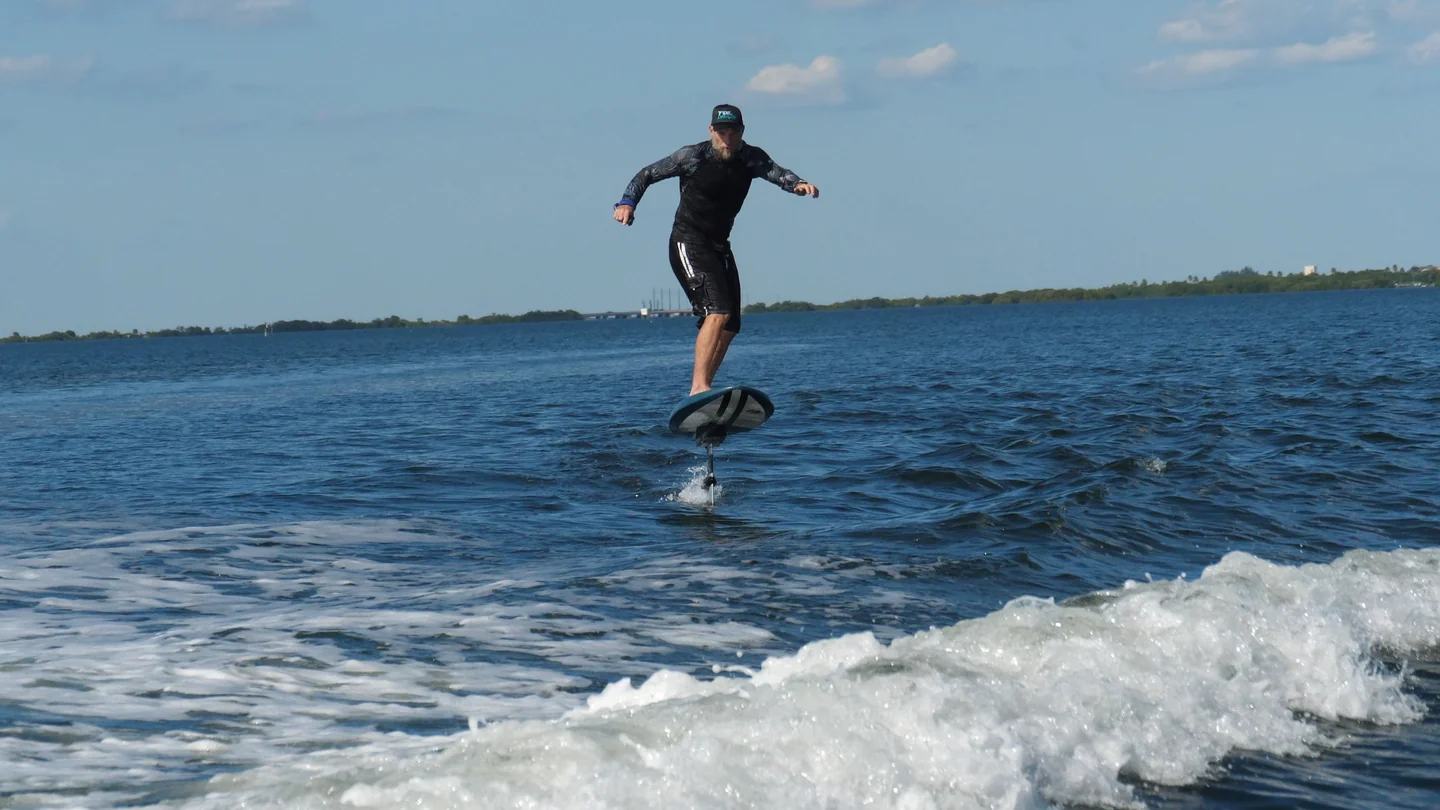
The key distinction from an efoil is the lack of a mast-and-wing assembly designed to lift the board above the water. Awake separates its jet-propelled RÄVIK surface boards from its VINGA hydrofoils. A brand name therefore does not identify the activity. Jetsurf is also used in different ways, including for other power systems. If electric propulsion is important to your choice, ask the provider to confirm it rather than infer it from a general search result.
Your first session, step by step
An introduction starts with the cut-off system, progressive acceleration and the model’s prescribed starting position. The instructor should cover turning, stopping and board recovery before focusing on speed. Ask whether participant rotations and battery changes reduce the advertised time on the water. A published maximum battery figure is not a promise of session length under repeated acceleration. Choose instruction that gives you room to build control at a pace that suits your first experience.
Ask the instructor to demonstrate the model’s starting position and foot placement before power is used. Awake separates water starts and riding position in its official tutorial series, a useful reminder that balance is a skill to learn. Confirm whether straps are fitted and how the operator wants them used; another board’s setup is not your instruction.
Questions that make a rental easier
A jetboard rides and planes on its hull rather than lifting on a submerged wing. Changes in acceleration and body position therefore belong to surface-board control. Choose space for progressive starts and wide initial turns, within the area approved by the provider. Calm water alone does not establish permission or freedom from swimmers and boat traffic.
Discuss the return point before a long run away from shore. Ask how the controller indicates battery state, what reserve ends the session and who recovers equipment after a problem. Compare actual individual riding time if batteries or boards are shared. A dealer’s product specification is separate from the battery and supervision supplied for your booked lesson.
Verified starting points and considerate use
France’s E-surfshop/E-Surfer business lists the Awake RÄVIK Explore and states that it offers sales and rental. That product page does not itself confirm an Explore rental on a specific date or beach: ask which model and location apply. DERAMAR also publishes an Awake RÄVIK 3 and RÄVIK S rental offer, subject to availability. Check delivery, collection and other arrangements directly; neither a catalogue nor a delivery reference establishes universal geographic coverage.
A surface jetboard can create wake and sound even though its motor is electric. Follow the provider’s distance and speed instructions around swimmers, boats and the shore. Avoid repeated runs beside resting wildlife, and remain within the area authorised for powered boards. Use the agreed recovery point and let the operator handle battery servicing. The aim is a controlled practice session that fits other water users, rather than an unrestricted run across every quiet bay.
Is a jetboard an efoil without handlebars?
No. The key distinction is the hull riding at the surface rather than a mast and wing lifting the board above it.
Does jetsurf always mean battery-electric?
No. Terminology varies. Confirm the actual model and propulsion type when electric power is your requirement.
Will the advertised battery duration be my riding time?
Not necessarily. Acceleration, conditions, reserve and participant rotations matter. Ask for the time and battery arrangements of the booked session.
Check before booking
- Confirm electric propulsion and no hydrofoil
- Ask which model and riding area apply
- Check the cut-off and board recovery
- Clarify rotations and battery changes
Sources and references
Sources consulted on