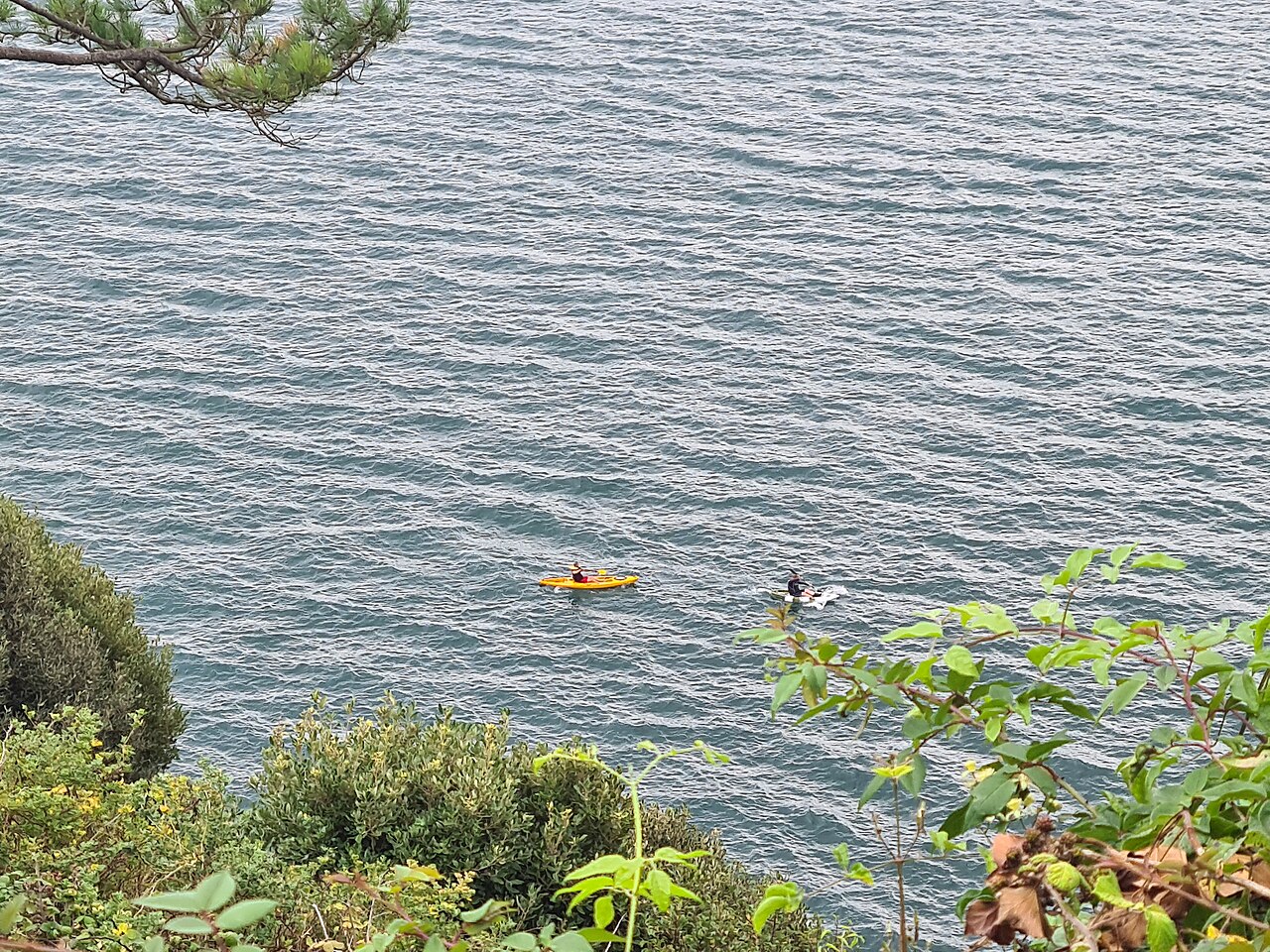
River paddleboarding: how do you check whether the route is suitable?
Check route type, access, obstacles and equipment before a river SUP session. A line on a map does not describe a suitable programme.

A river may host an introduction within a defined area, accompanied progression or paddling requiring specific experience. To choose a SUP session, examine what happens between launching and returning. Scenery and the river’s name alone cannot distinguish these programmes.
Have the format described, rather than only distance
Ask whether you remain within a defined area, make an out-and-back trip or finish elsewhere. Note the skills the session should teach and the professional’s planned presence on the water. Discovering the standing position and paddling downstream are different projects. In France, the official presentation of canoeing and kayaking sites distinguishes environments and identifies specific obstacles beyond a general classification.
Put four reference points on your preparation sheet
Before booking, identify the meeting point, boarding point, area or route and where you retrieve belongings. These may differ. Also check arrangements when the group must leave the water or alter the programme. A path drawn in an app establishes neither a right of passage with a board nor a landing opportunity.
- Meeting: check-in location and any transfer to boarding.
- Start: exact location and access instructions.
- On the water: area limits and stated instructor presence.
- Finish: agreed point, belongings collection and any transport.
Discuss obstacles with the professional
Ask how the route accounts for structures, branches, pontoons, other craft and water variations. A useful answer specifies what your group will do and which areas are outside the programme. An obstacle absent from a photograph is not proof of its absence today. For a first river experience, seek a session explicitly describing learning and organisation rather than a route to discover alone.
Have the connection system selected and explained
The RNLI notes that a leash supplied with a board may not suit the intended environment. Moving water and snagging risks require particular attention to the system. Ask the professional to select equipment for this stretch and explain its use before departure. This article provides no fitting or release procedure: a manual or video does not replace appropriate instruction.
Compare an appealing image with a documented session
Fictional example: a photograph shows a wide, smooth river. Offer A states only a duration; offer B describes accompanied instruction in a defined area and return arrangements. The second is easier to assess because it provides information, though this does not certify that day’s conditions. Request the same details from each provider before choosing.
Confirm the session after describing participants
State who is new, who has tried SUP and in what context. Lake experience does not sum up river experience. Clarify the equipment supplied, area rules and the decision if water or weather changes. Keep confirmation with area limits and the team’s contact; sending an enquiry remains distinct from acceptance of the service.
Check before booking
- The activity format and required experience are explicit.
- Start, area, finish and transport are identified.
- Obstacles and leash have been explained for this route.
- The team confirms arrangements and the day’s conditions.
Sources and references
Sources consulted on