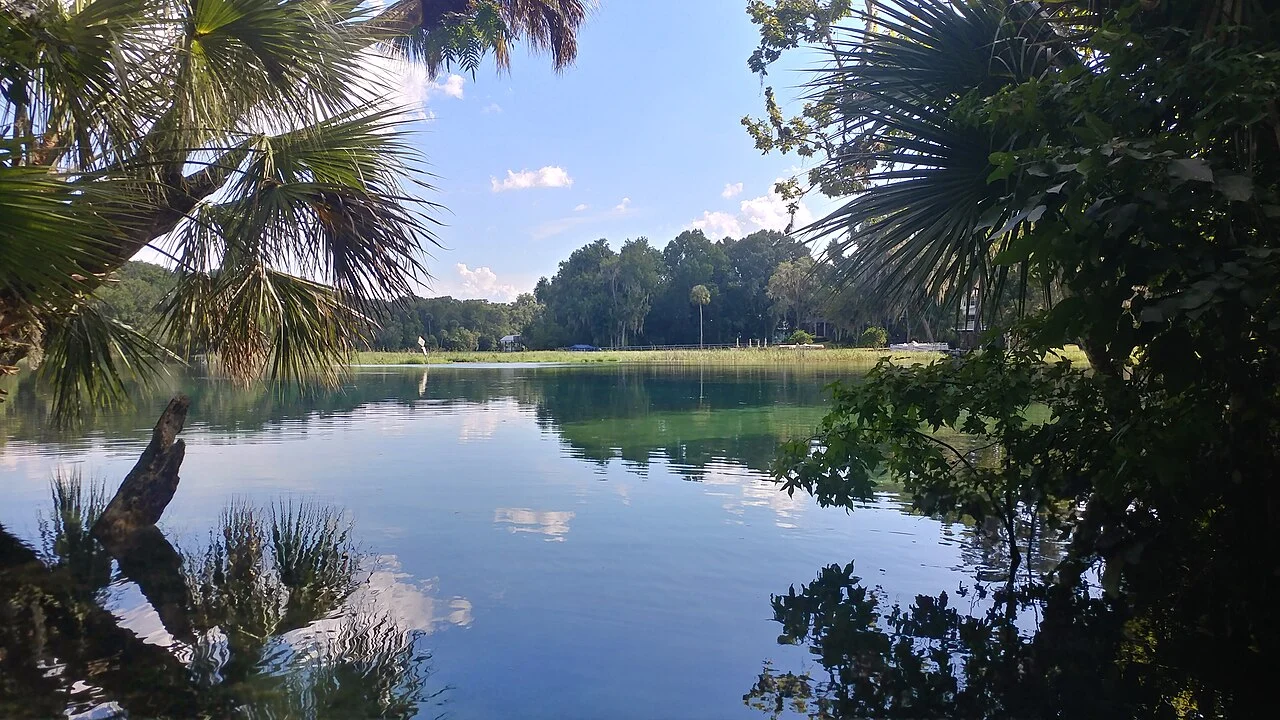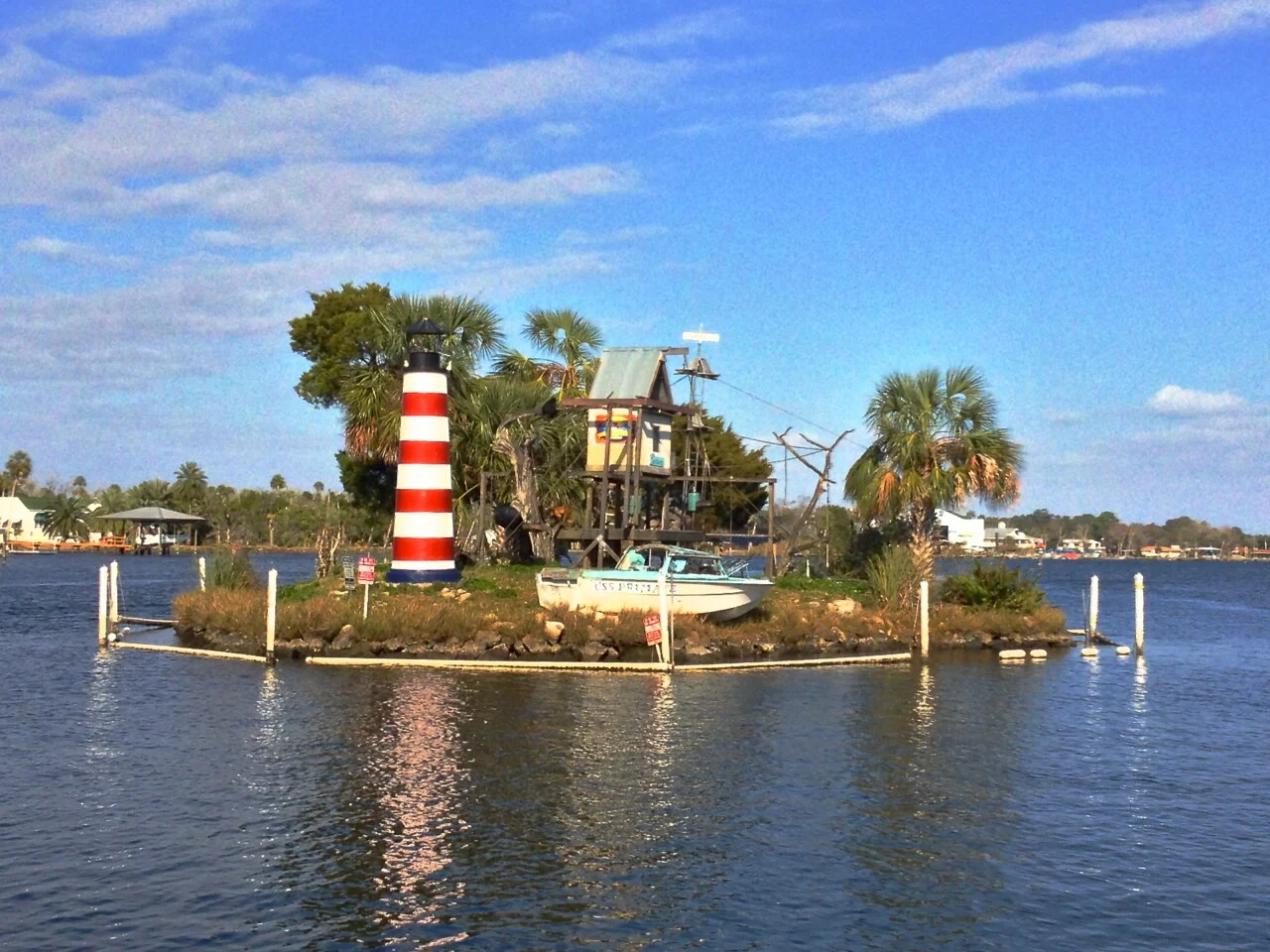
Homosassa River versus the protected headwater
The Homosassa is a river outing, not automatic admission to its enclosed spring headwaters. The wildlife park protects rehabilitating manatees and restricts in-water recreation on park property; an upstream paddle must stop at the posted limits.
Identify a county ramp
The county ramp directory identifies public river access on South Cherokee Way and Mason Creek Road. Compare the chosen access with the intended river section: a launch near the lower river does not make the spring a short, sheltered round trip.
Wildlife viewing without entering the refuge
Keep the channel open for other boats and watch the current manatee-zone signs. Winter wildlife concentrations make a quiet observation from a distance more appropriate than following an animal toward a protected entrance.
Launch access and parking
Choose a county-listed ramp and check its current conditions and charges. The South Cherokee Way ramp is a public facility; this guide does not direct paddlers through the wildlife park or private waterfront property.
Conditions, safety and local rules
Expect boat traffic as well as wildlife on the river. Do not enter a posted manatee protection area or disturb animals, and leave a clear return corridor rather than stopping across a narrow channel.
Before you go
Can I paddle freely into Homosassa Springs Wildlife State Park?
No. Public river access does not override the park’s protected headwater boundaries or its restrictions on in-water recreation.
Are there official public ramp references?
Yes. Citrus County lists ramps on South Cherokee Way and South Mason Creek Road; check the particular facility before setting your route.
Does seeing manatees mean I may follow them?
No. Observe without pursuing, surrounding or blocking them, and keep outside protected or closed areas.
Sources and local information
Information reviewed: . Check the linked official notices before traveling. Access, closures and water conditions can change; this guide is not a live conditions report.